Exploring Shades and Curtains for Perfect Interiors
Intro
In the realm of interior design, shades and curtains often stand as quiet yet pivotal players in the overall aesthetic and functionality of a space. Every room tells its own story, and the window treatments you choose play a significant role in narrating that tale. Whether it’s a cozy nook basking in the day’s light or a formal space seeking elegance and grandeur, understanding the nuances between different types of shades and curtains can help one make choices that resonate with both style and purpose.
Why the Focus on Shades and Curtains?
From blocking out unwanted sunlight to adding a splash of color, these elements are far more than mere accessories. They can influence mood, enhance privacy, and even impact energy efficiency — thereby shaping the entire vibe of a home. So, it's time to pull back the drapes and dive into the depths of artistic window solutions. This exploration will equip homeowners, designers, and decorators alike with the knowledge that makes a difference in the design game.
Furniture Trends and Styles
While shades and curtains take center stage when it comes to window treatments, their relationship with furniture trends cannot be overlooked. It’s a dance of aesthetics where both elements must complement one another to create a cohesive space.
Contemporary Furniture Trends
In recent years, minimalism has swooped into many modern homes, favoring clean lines and uncluttered spaces. Shades such as roller or sheer options resonate well here, bringing subtle textures without overwhelming the simplicity of contemporary furniture.
- Key Features:
- Clean, sleek designs
- Neutral color palettes
- Functional fabrics like linen and polyester for light diffusion
Timed with this trend, many homeowners gravitate towards energy-efficient materials. This allows for not only a beautiful decor element but also a wallet-friendly option for heating and cooling.
Classic Furniture Styles
On the other end of the spectrum, traditional and classic furniture styles carry their distinct charms. Ornate designs and rich fabrics like velvet or brocade can find their perfect partnerships in heavy draperies that drape elegantly to the floor. Think of an opulent Victorian room adorned with gold-edged curtains that catch the light—it's an image that speaks of timeless elegance.
- Key Traits:
- Luxurious materials such as silk or velvet
- Tailored, layered looks that enhance the decor without losing function
- Jewel tones or earthy palettes that speak of tradition
DIY Tips and Tricks
For those looking to dip their toes into the world of shades and curtains, there’s no need to break the bank. With a sprinkle of creativity and some elbow grease, you can transform your spaces without sacrificing style.
Upcycling Old Furniture
Instead of tossing out old items, consider revamping. An old dresser could serve as an eye-catching bench for a window nook. Layered with some cushions and topped with lightweight curtains in sheer fabrics, it can become a charming spot to relax with a book, bathed in natural light.
Creative Furniture Arrangements
Arranging your furniture thoughtfully can entirely change how a room feels. Pair deep-seated sofas with light, airy curtains to enhance the flow of natural light. The interplay between furniture shapes and window treatments can guide one’s eyes around the room in a harmonious rhythm, enhancing both comfort and style.
"Window treatments are not merely functional; they are the finishing touch that can elevate a room’s design."
Ultimately, understanding these elements is key to crafting inviting, stylish interiors. As we navigate through styles, materials, and processes in the subsequent sections, we’ll uncover the profound impact of shades and curtains on living spaces. "Keep it simple" may be a good rule of thumb, but the magic often lies in attention to detail.
Prelude to Window Treatments
The selection of window treatments goes beyond mere decoration. It plays a crucial role in how a space is perceived and functioned. In this article, we unpack the intricate world of shades and curtains. These elements not only serve aesthetic purposes but also cater to practical needs such as light control, privacy, and energy efficiency. Homeowners and designers are increasingly recognizing that the right window treatment can transform a room's atmosphere.
Defining Shades and Curtains
In the realm of interior design, understanding shades and curtains starts with definitions. Shades typically refer to fabric solutions that are mounted within a window frame. They can be rolled up or down, depending on the amount of light desired. Different types, such as cellular, pleated, and roller shades, are designed with various functionalities. They can filter light, block it entirely, or provide a balance of both.
On the other hand, curtains are often seen as more traditional fabric panels, usually hung from rods or tracks above a window. Their aesthetic versatility allows them to complement various interior styles, from classic to modern. These fabric panels can be sheer for privacy while allowing natural light, or heavier materials that create a more dramatic effect.
Historical Context
Exploring the history of window treatments reveals an evolution that mirrors societal changes. In ancient civilizations, such as Egypt, decorative fabrics were crafted from linen and used not only for functionality but as symbols of wealth. Fast forward to the Renaissance period, where ornate draperies became popular in Europe—the designs were rich, showcasing craftsmanship and artistry.
In the 20th century, the Industrial Revolution brought about a shift towards mass production of simpler, practical styles. The advent of synthetic materials like polyester allowed for a surge in innovation. These historical shifts inform our contemporary choices today, blending old-world charm with modern efficiency.
"Window treatments have always reflected their time—what we choose to hang says much about who we are today."
Current Trends in Window Treatments
Window treatment trends today are a fascinating mix of technological advancements and sustainability. Smart shades that can be controlled via mobile apps are on the rise, reflecting a growing desire for convenience and smart home integration. Furthermore, natural materials, such as bamboo and organic cotton, are becoming increasingly popular as homeowners seek eco-friendly options.
Minimalist designs remain a strong trend as well. Clean lines and neutral colors appeal to those who favor uncluttered spaces. In contrast, bold patterns and vibrant colors attract those wishing to make a statement with their interiors. The concept of layering treatments is also in vogue, enabling homeowners to experience the best of both worlds—style paired with function.
As we delve deeper into the layers of design choices available, it's important for designers, decorators, and homeowners to see how these elements can harmoniously blend in any space they create.
Functionality of Shades and Curtains
Understanding the functionality of shades and curtains extends beyond mere aesthetics. These essential window treatments serve several practical roles that enhance the livability of a space. They contribute to controlling light, ensuring privacy, and ultimately improving energy efficiency. Each of these aspects holds considerable importance for homeowners and designers alike, making them key considerations in any design project.
Light Control
Light management within spaces can drastically impact ambiance and functionality. Shades and curtains are vital tools in achieving the perfect balance of naturally lit, warm environments and cozy, dimly-lit retreats.
Blackout Shades
Blackout shades are designed to prevent light from entering a room, creating a complete barrier against unwanted sunlight. This specific aspect is particularly vital for bedrooms, home theaters, or any area where controlling light is crucial. The key characteristic that sets blackout shades apart is their thick fabric, typically featuring a special lining.
Homeowners appreciate blackout shades for their ability to ensure a dark environment, which can significantly improve the quality of sleep and focus. A unique feature of these shades is their versatility; they come in various colors and styles, fitting any room's decor. However, a consideration to weigh is their lack of light filtering—meaning once drawn down, natural light cannot peek through, potentially impacting daytime activities.
Light Filtering Curtains
Light filtering curtains provide a balance that allows a gentle stream of filtered light while still providing privacy. The fabric used is typically sheer or semi-sheer, making it a popular choice for living spaces and kitchens where natural light enhances the ambiance.
The beauty of light filtering curtains lies in their ability to soften harsh sunlight without entirely blocking it. This makes them a beneficial option for homeowners looking to brighten a room with a warm glow yet maintain some level of seclusion. One key aspect to consider is potential glare on screens during the day; while they limit direct sunlight, they don’t fully eliminate it, which might be a minor drawback for certain activities.
Privacy Considerations
Privacy is often a top priority for many when selecting window treatments. The right shades or curtains can offer an essential shield from prying eyes, especially in densely populated areas or closer living situations. While everyone's needs differ, gauging how much visibility is acceptable is crucial in the selection process.
Consideration of fabric choices, thickness, and layering options can significantly affect the level of seclusion a treatment provides. For instance, pairing sheer curtains with heavier drapery can offer adaptability for various times of day.
Energy Efficiency
Another vital functionality of window treatments lies in their energy efficiency. The right choices help regulate temperature, providing savings on heating and cooling bills, which many homeowners value.
Insulation Properties
Shades and curtains that offer insulation properties are designed to reinforce energy conservation in homes. These treatments can effectively trap air, maintain indoor temperatures, and assist in reducing energy consumption. Key characteristics include thermal linings or thick, quilted fabrics, which serve as barriers against heat transfer.
Having energy-efficient treatments can be especially beneficial in climates with extreme temperatures. Although more costly than traditional options, the long-term savings on energy bills often outweigh initial investments, making it a wise financial choice for conscientious homeowners, albeit with considerations of upfront costs.
Solar Shades
Solar shades, specifically designed to block harmful UV rays, play a significant role in fostering energy efficiency. They possess unique characteristics that allow them to reduce heat gain while still providing a view of the outside world. This is valuable for spaces that require natural light without greenhouse-like temperatures.
While their benefits are notable, homeowners may encounter a limitation in their opacity; solar shades don’t provide total darkness like blackout options, which might not satisfy everyone’s needs. However, their functionality makes them a popular choice for sun-drenched areas, striking a fine balance between comfort and visibility.
Choosing the right window treatments isn't just about style; the functionality they offer can enhance daily life by controlling light, ensuring privacy, and promoting energy efficiency.
Material Choices
Selecting the right materials for shades and curtains is central to optimizing both style and function in your living spaces. The choices involved are not simply cosmetic; they can drastically affect the ambience of a room, the level of comfort, and even energy efficiency. By understanding the characteristics of various materials, designers, homeowners, and decorators can craft a cohesive look while ensuring practicality.
Fabric Options
Linen
Linen stands out as a classic choice due to its textured appearance and airy quality. Known for being breathable and lightweight, linen is a popular fabric for curtains that allows natural light to filter in while still providing some level of privacy. One key characteristic of linen is its ability to naturally repel dirt and dust, making it an attractive option for those seeking low-maintenance solutions.
However, it's important to note that linen does have a tendency to wrinkle easily, which some may find unappealing. Its natural fibers absorb moisture and can fade when exposed to strong sunlight, presenting a need for careful placement and care.
Polyester
Polyester is a heavyweight when it comes to modern fabric options, largely due to its durability and affordability. This material resists shrinking and wrinkling, which makes it a pragmatic choice for both shades and curtains. A unique feature of polyester is its resistance to stains, ensuring that your window treatments maintain their appearance longer when compared with natural fabrics.
Yet, while its practical advantages are evident, polyester lacks the natural aesthetic charm that fibers like linen or cotton may offer. It can sometimes feel less luxurious, and those who value eco-friendly materials might have concerns about its synthetic nature and the environmental impact involved in its production.
Silk
Silk embodies elegance and luxury, often chosen for its rich texture and beautiful draping. It catches the light in a manner that's reminiscent of a soft glow, providing a warm touch to any space. A key characteristic of silk is its lightweight nature, making it ideal for sheer curtains that need to exude a sophisticated charm without appearing cumbersome.
However, one has to be cautious with silk. Its beauty comes with a price, as it can be quite delicate and prone to fading when exposed to direct sunlight. Silk also demands more meticulous care and cleaning methods. Thus, while it is a beautiful addition to any curtain collection, the lifestyle of the homeowner may determine if silk is indeed a fitting choice.
Alternative Materials
Bamboo
Bamboo is gaining popularity as an alternative material, especially in eco-conscious interior design. This renewable resource is not only sustainable, but it’s also renowned for its natural beauty and strength. A notable characteristic of bamboo is its natural ability to block UV rays, making it a functional choice for minimizing sun damage in indoor spaces.
However, it is also worth mentioning that bamboo can be less flexible compared to fabric options, which means it may not drape as fluidly as cloth curtains. Care must be taken to ensure it does not warp due to humidity or moisture exposure.
Vinyl
Vinyl is often overlooked yet offers practical benefits that can’t be ignored. Known for its robustness and affordability, vinyl is water-resistant, making it an especially good choice for spaces like kitchens or bathrooms where moisture levels can be high. One unique aspect of vinyl is its versatility in style and finish, enabling homeowners to achieve various intricate designs that mimic more expensive materials like wood or fabric.
Nevertheless, some might find vinyl to lack the visual warmth that natural materials provide. It also may not be the best option for eco-conscious choices, as the production of vinyl does have environmental implications.
Sustainability in Material Selection
When making material choices, sustainability provides yet another critical layer of complexity. As awareness about environmental issues grows, the demand for eco-friendly materials has surged. Shoppers are now more inclined to consider how their choices impact the larger ecosystem. This means seeking options that are sourced or produced sustainably, as well as those that utilize recycled materials.
Additionally, durability plays an essential role in sustainability. Materials that can endure wear and tear not only reduce the frequency of replacement but also contribute positively to conserving resources. Ultimately, choosing materials that align with sustainable practices reflects a growing trend toward responsible interior design, providing fulfillment to conscientious consumers.
"Sustainability in material selection isn’t just a buzzword; it’s becoming a cornerstone of how discerning consumers approach their home decor choices."
Styles and Design
When it comes to window treatments, the styles and designs available play a pivotal role in shaping the atmosphere of a space. Not only do they contribute to aesthetics, but they also affect functionality, bringing together various elements of home decor. Choosing the right style can enhance the beauty of a room while addressing practical needs like privacy and light control. It's about finding that delicate balance between what looks good and what works right.
The beauty of window treatments lies in their versatility. From the classic charm of drapes to the sleek and modern look of roller shades, there is no shortage of options. These choices allow homeowners to express their personality and style, transforming mere rooms into inviting sanctuaries. Think about it: a well-matched style can make a world of difference.
Classic Styles
Drapery
Drapery embodies timeless elegance in window treatments. Characterized by its full fabric and flowing structure, drapery is often tailored to hang from rods or tracks, creating an alluring look that can easily elevate a room. Its primary appeal lies in the luxurious feel it injects into a space. Drapery can be lined for insulation, providing benefits beyond purely decorative appeal.
One distinctive feature of drapery is its ability to frame windows beautifully. This aspect can define the character of a room, making it feel more expansive and polished. While drapery can be a bit pricier and requires more maintenance than other options, the resulting ambiance often justifies the investment.
"A well-draped window can serve not just as a barrier to light, but as a focal point in the room."
Sheer Curtains
On the other end of the spectrum, sheer curtains present a light and airy alternative. They gently filter sunlight, allowing natural light to fill a space without sacrificing privacy completely. This style of curtain can create a soft glow in the room, invoking warmth and comfort. Thus, sheer curtains are often chosen for relaxed, open spaces like living rooms and sunrooms.
A standout characteristic of sheer curtains is their versatility; they can be paired with heavier drapery for a layered look, offering both functionality and style. However, while sheer curtains do allow light to filter through gracefully, they may not provide enough privacy during certain times of the day. Balancing this light and privacy consideration is crucial for homeowners.
Contemporary Options
Roller Shades
Roller shades have become increasingly popular for their sleek, minimalist design. They are highly functional and can be easily adjusted to control the amount of light entering a room. These shades roll up to an unobtrusive position, making them a favorite in modern and contemporary decor. An important point is that roller shades come in various materials, allowing for energy-efficient options that can help regulate indoor temperatures.
What makes roller shades particularly appealing is their ease of operation. They can be operated by a simple pull or even remote control in some cases. However, users should keep in mind that their flat surface can attract dust, so a regular cleaning routine is necessary to maintain their appearance.
Roman Shades
Roman shades combine style and function expertly. Their design offers the elegance of fabric drapes while allowing for the practicality of shades. When drawn up, these shades form soft folds that can add texture and visual interest to a room. Like roller shades, they can be customized with various fabrics, patterns, and colors, appealing to a broad audience.
A significant aspect of roman shades is their ability to block sunlight effectively when fully lowered. This makes them suitable for bedrooms or media rooms, where light control is paramount. However, they may require a careful selection of fabric to ensure they don't weigh too heavily when drawn.
Eclectic Designs
Eclectic designs bring together various aesthetics to create a unique window treatment solution. By blending multiple styles, such as pairing curtains with shades, homeowners can achieve a personal touch that reflects their taste. This might include custom patterns, unexpected color combinations, or the integration of materials like wood or metal. Embracing eclectic designs encourages creativity and self-expression, making it one of the trends to watch. Combining various elements can truly make window treatments stand out, offering not just functionality but a distinctive narrative within the space.
Installation and Maintenance
The importance of installation and maintenance in the realm of shades and curtains cannot be overstated. Proper installation ensures that window treatments perform efficiently and enhance the overall aesthetic of a space, while regular maintenance extends the life of the fabrics and mechanisms involved. Neglecting either aspect may result in subpar function, unsightly appearance, or even the need for premature replacement.
DIY Installation Tips
For the crafty homeowner, DIY installation can be both cost-effective and empowering. First off, measure the windows accurately. You don’t want to end up with too small or overly long shades. Use a sturdy tape measure and jot down the dimensions before heading to the store.
Secondly, gather all your tools. A drill, screwdriver, level, and sometimes a ladder is essential to ensure a straight and secure installation. When it comes to installing, follow the manufacturer’s guidelines closely. Most companies provide various bracket styles, so check which one suits your chosen treatment best. Tip: Use a pencil to mark where the screws will go, and level for alignment. This attention to detail can save you a lot of headaches later.
Lastly, don’t rush the process. Taking your time helps prevent mistakes that could alter the functionality of your new shades or curtains.
Professional Installation Services
When the DIY route doesn’t appeal, hiring professionals might be the way to go. Their expertise can provide peace of mind that your shades or curtains are installed correctly, ensuring that everything hangs perfectly, providing optimal light control, and maintaining privacy.
Professional services usually offer the advantage of experience. They know the ins and outs of various window treatments and can navigate unique challenges with ease. Some companies even provide a warranty for their work, adding an extra layer of security for homeowners. It's worth doing your research and asking for recommendations to find a reputable service that specializes in window treatments.
Maintenance and Care
Maintaining shades and curtains is essential to prolong their lifespan. Regular checking for stains, dust build-up, or threads coming loose can save costly repairs later on.
Cleaning Techniques
Cleaning your shades and curtains doesn't have to be a daunting task. For curtains, a gentle cycle in the washing machine can work wonders, as long as the fabric is machine washable. Always check the labels first! For delicate materials like silk, a hand wash might be a better choice to avoid damage. Blinds, on the other hand, can usually be wiped down with a damp cloth.
A popular choice for cleaning techniques is using a microfiber cloth. This material traps dust effectively without scratching surfaces. Make it a habit to perform routine dusting to keep your window treatments looking fresh. If there's a stubborn stain, a mixture of water and mild detergent can usually do the trick, but always test on a small area first.
Preserving Fabric Integrity
Preserving the integrity of your window treatments enhances both beauty and function. This means taking care to avoid sun exposure that could lead to fading, as well as ensuring they are vacuumed regularly.
To protect fabrics, consider installing UV-filtering window films or opting for shades that boast sun-blocking properties. The key characteristic of preserving fabric integrity is that it keeps the hues vibrant and the textures intact. A common misstep is overlooking minor damages; those can accumulate and end up being more wearisome than preventive care.
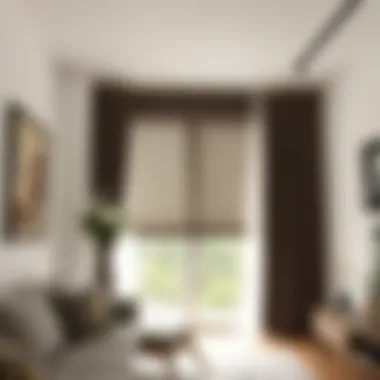
In summary, the interplay between installation and maintenance is essential for enjoying the beauty and utility of shades and curtains. With the right techniques and services, window treatments can be an investment that stands the test of time.
"Proper installation and maintenance can dramatically enhance the functionality and longevity of window treatments."
For more insights on maintaining home decor, you could check resources like Wikipedia or Britannica. Further practical advice can be found on community forums like Reddit.
In the end, whether through DIY endeavors or professional services, understanding the vital role of installation and upkeep is crucial to creating a beautiful and functional living space.
Comparative Analysis: Shades vs. Curtains
When it comes to window treatments, shades and curtains are often at the forefront of any discussion. Each offers unique advantages and disadvantages, catering to various needs and aesthetic desires. In this section, we will explore the critical factors that differentiate shades from curtains, helping homeowners and designers make informed decisions suited to their spaces.
Advantages of Shades
Shades come with a suite of benefits that can transform a room. One primary advantage is their ability to offer precise light control. For instance, blackout shades serve as ideal companions for bedrooms, blocking out light entirely. This means you can enjoy a good night's sleep without pesky sunlight seeping through at dawn.
Additionally, shades are often more streamlined and modern compared to curtains. Their clean lines contribute to a contemporary aesthetic, making them well-suited for minimalist decor. Shades are also generally easier to maintain, given that they can often be wiped down without needing extensive cleaning.
Some other notable advantages include:
- Variety in styles: From roller to honeycomb, shades come in a range of designs to fit different interior themes.
- Space-saving solutions: Shades usually take up less physical space, making them great for smaller rooms where functionality is key.
Benefits of Curtains
While shades excel in light control and modern appeal, curtains should not be underestimated. One of their most significant benefits is the warmth they add to a room. Heavy drapery can create a cozy atmosphere, inviting both soft lighting and elegant style, perfect for living areas or dining rooms.
Further, curtains allow for versatility in fabric choices and designs. Homeowners can play with patterns, textures, and colors to find the perfect match for their interior, significantly enhancing the room's visual appeal. Some key benefits include:
- Layering possibilities: Curtains can be layered with shades to combine benefits, offering both aesthetics and functionality.
- Sound absorption: Thick curtains can help dampen noise, making for a quieter living environment.
Choosing the Right Option for Your Space
The decision between shades and curtains ultimately hinges on several factors unique to the individual's taste and needs. Here are some considerations that can guide this choice:
- Purpose: Define what you need from your window treatment. Is it privacy, insulation, or purely aesthetic appeal?
- Room type: For spaces like bedrooms, where light control is essential, shades may take the lead. Conversely, living rooms that crave warmth might benefit from curtains.
- Existing decor: Consider how each treatment will play with your existing furnishings. Shades might complement a modern space, while curtains could add a classic touch to traditional decor.
"The right window treatment not only enhances aesthetics but also elevates the function of your space."
When selecting between shades and curtains, personalize your approach; there's no one-size-fits-all solution. Ultimately, the choice should reflect your individual style preferences, lifestyle demands, and the specific characteristics of your rooms.
Cultural and Regional Influences
Cultural and regional influences play a pivotal role in determining the styles, materials, and functionalities of window treatments like shades and curtains. The decor of living spaces is more than a mere aesthetic choice; it carries rich narratives deeply tied to the heritage, lifestyle, and climate of specific regions. By understanding these influences, homeowners and designers can make selections that are not just visually pleasing, but also culturally and contextually appropriate.
Cultural Significance of Window Treatments
The cultural significance of window treatments extends beyond their practical functions. For many communities, shades and curtains are emblematic of their traditions, values, and artistic expressions. For instance, in Japanese culture, shoji screens serve both as room dividers and light diffusers, creating a serene ambiance while adhering to the philosophy of simplicity and nature. In contrast, heavy drapes in Victorian design reflect both opulence and a sense of privacy that was valued in that era.
Moreover, the choice of color and fabric often carries meaning. Bright colors are frequently seen in warmer climates to reflect the surroundings, while muted, earthy tones may resonate more in places where natural landscapes dominate.
"Window treatments not only regulate light but also tell stories of the cultures they represent."
Understanding these cultural nuances enriches the design choices, allowing individuals to create spaces that reflect personal identities while honoring communal histories.
Regional Preferences and Trends
Regional preferences and trends also shape the landscape of window treatments. Factors such as climate, architecture, and societal norms influence what types of shades or curtains are favored. In hot and humid areas, like the South of the United States, lightweight materials are preferred to allow airflow while providing shade. Similarly, sheer curtains are popular in coastal regions, where the goal is to maximize natural light and maintain a breezy environment.
Conversely, northern regions might lean towards heavy, thermal curtains that offer insulation against cold temperatures. Furthermore, urban settings often embrace sleek, modern shades that complement minimalist aesthetics, whereas rural areas might lean towards traditional patterns and textures, reflecting the local craftsmanship.
Specific trends can also be notable; for example, the recent resurgence of eco-friendly materials resonates in both urban and suburban markets, as many seek to create environmentally conscious homes.
In summation, whether you’re in a bustling city or a quiet countryside, recognizing how cultural and regional influences affect window treatment choices can lead to more informed decisions that resonate both personally and contextually. By weaving these influences into the narrative of shades and curtains, one can forge a deeper connection with their living space, creating an environment that feels both authentic and inviting.
Culmination
In any discussion of window treatments, the conclusion serves an essential role in weaving together the various threads explored throughout the article. It is the final piece of the puzzle, giving homeowners, designers, and decorators a roadmap to understanding how shades and curtains operate within their spaces, both functionally and aesthetically.
Summarizing Key Insights
The examination of shades and curtains has revealed several critical insights that can guide decisions in interior design:
- Functionality: Both shades and curtains serve to control light, enhance privacy, and improve energy efficiency. The choice between the two often hinges on specific needs, such as whether one prefers complete darkness or light filtering.
- Material Matters: The selection of materials, from luxurious silk to sustainable bamboo, significantly affects not only aesthetics but also the lifespan and maintenance of the window treatment. Homeowners should weigh options thoughtfully based on their lifestyle and preferences.
- Cultural and Regional Influences: Understanding how regional preferences and cultural significance shape the selection of window treatments can lead to more informed choices that resonate with personal identity and the environment.
Furthermore, integrating sustainability into the selection process not only enhances the home but also leaves a positive mark on the planet. As consumers become more conscious of their choices, the importance of eco-friendly materials cannot be overstated.
Future Trends in Window Treatments
As we look ahead, several trends are emerging in the realm of window treatments:
- Smart Technology Integration: Automated shades featuring smart home technology are making waves. These systems allow homeowners to control light and privacy with just a touch, adding convenience to style.
- Layering Techniques: Designers are increasingly embracing the art of layering for a rich, textured look. Combining sheer curtains with heavier drapes or blinds offers a visually compelling aesthetic while providing flexibility in light control.
- Sustainability Focus: The sustainability narrative in window treatments is growing stronger. Eco-friendly fabrics and manufacturing processes gain popularity. Homeowners are projected to prioritize not just looks but sustainability in their choices.
"Choosing the right window treatment is not just about aesthetics; it’s about enhancing living spaces, conserving energy, and expressing individuality."
For more insights on interior trends and materials visit Wikipedia and Britannica.


