
Green Watt LED Lighting: Transforming Furniture Design
Intro
In the evolving landscape of interior design, the integration of energy-efficient lighting can dramatically enhance both functionality and aesthetic appeal. Green watt LED lighting plays a crucial role here, not merely as a tool for illumination but as a vital component shaping the very essence of contemporary furniture design. With the continuing emphasis on sustainability, the relevance of these advanced lighting solutions cannot be understated.
From artistic flair to eco-friendly practices, this exploration will illuminate the significance of green watt LED lighting in various facets of modern furniture design. We will delve into its technological advancements, practical applications, and the aesthetic nuances it brings to interior spaces. Understanding these elements equips homeowners, designers, and retail professionals with the knowledge to foster enlightened decision-making in their design practices.
Furniture Trends and Styles
The fusion of design trends with innovative lighting techniques alters how spaces are perceived and enjoyed. Understanding contemporary furniture trends alongside traditional styles shows how lighting harmonizes with varied aesthetics.
Contemporary Furniture Trends
In today's market, there is a growing inclination toward minimalist and multifunctional furniture. Items that not only serve a purpose but also elevate an interior's ambiance are in high demand. Green watt LED lighting complements this trend perfectly. For instance, the use of LED strip lights under shelves, behind cabinets, or within furniture can create an inviting glow, enhancing the practicality and vision of these sleek, contemporary designs.
- Soft illumination highlights textures and materials, like wood and metal, making the objects stand out.
- Adjustable color temperatures allow homeowners to switch from warm to cool tones, matching their mood and the design purpose.
- Smart lighting options provide control over intensity, creating an adaptable environment suitable for various occasions.
Classic Furniture Styles
On the flip side, traditional furniture designs also benefit from thoughtful lighting choices. Classic furniture often embodies intricate craftsmanship and heavy materials. Here, incorporating green watt LED lighting can be transformative. Picture a vintage mahogany sideboard glowing elegantly under warm LED light, emphasizing its rich hues and textures.
- Accent lighting draws attention to artwork or antiques, making them focal points in a room.
- Chandeliers enhanced with LED bulbs can provide a timeless charm while cutting energy consumption greatly.
- Lamps with organic design elements blend seamlessly into classical settings, showcasing the return of intricate elegance.
Choosing the right form of lighting can retain the charm of classical pieces while embedding modern efficiency into their essence.
DIY Tips and Tricks
For those looking to channel their creativity in their designs, integrating green watt LED light offers myriad possibilities. Here are some handy tips to maximize the potential of both furniture and lighting.
Upcycling Old Furniture
- Evaluate the potential: Look for pieces that could shine with a new coat of paint and updated lighting.
- Install LED strip lights around shelves or on furniture edges to create a modern twist on vintage finds.
- Mismatched lamps can be reimagined with LED bulbs that harmonize with contemporary styles yet hold onto their vintage roots.
Creative Furniture Arrangements
- Layered lighting provides depth; combining desk lamps, floor lights, and task lighting can change the feel of a space completely.
- Strategic placement of LED lights can trick the eye, making a small room appear larger or more airy.
- Experiment with ambient and accent lighting to frame furniture in ways that celebrate their beauty.
In summary, the role of green watt LED lighting in furniture design isn't just about saving energy. It’s about creating environments that are visually inspiring and conducive to everyday living. With the right choice, lighting can transform spaces into reflective, personal sanctuaries, marrying form with function splendidly.
Preamble to Green Watt LED Technology
In today's design landscape, where sustainability is becoming not just a buzzword but a necessity, understanding green watt LED technology is crucial. The use of LED lighting in contemporary furniture design is transforming how spaces are illuminated, both functionally and aesthetically. This section will dive into the very heart of what sets green watt LED technology apart and why it matters for modern interiors.
Overview of LED Technology
Light Emitting Diodes, or LEDs, have come a long way from being mere indicators on electronics. At their core, LEDs operate on a simple principle: when electricity passes through a semiconductor, it emits light. This efficiency is what makes them an attractive option compared to traditional incandescent bulbs. Not only do LEDs use significantly less energy, they also last longer, reducing the frequency and cost of replacements.
The brilliance of LED technology isn't just in its efficiency. Color rendition is another marvel; with a range of color temperatures available, designers and homeowners can achieve a warm, inviting atmosphere or a cool, sleek vibe with ease. Moreover, the dimmable capabilities of many LED systems allow for flexibility in controlling ambiance, which can drastically change the feel of a room.


The ability to integrate LEDs into various materials also opens up exciting design possibilities. From illuminated furniture to backlit wall art, the applications are virtually limitless. In terms of energy savings, a significant reduction in power consumption can be achieved, which directly contributes to lower utility bills and a reduced carbon footprint.
The Concept of Green Watt Lighting
Green watt lighting refers to the specific application of LED technology focused not just on efficiency, but also on environmental responsibility. This concept goes beyond merely using less energy; it embodies the aspiration to create spaces that reflect sustainability in a tangible way. With the rise of eco-conscious consumers, the demand for green watt solutions is growing, pushing designers and manufacturers to innovate.
One key to understanding green watt lighting is its alignment with broader sustainability goals. Many of these LEDs are manufactured with less hazardous materials than traditional bulbs, and they emit fewer greenhouse gases during operation. Choosing green watt options is not merely a matter of lighting; it’s a holistic approach to design that encourages mindful consumption and responsible production.
In furniture design, the integration of green watt lighting is becoming a statement of both style and ethics. Designers are tasked with the challenge of ensuring their creations not only shine brightly but are also part of a sustainable future. This balance is essential in a world increasingly aware of its environmental impact.
Importance of Energy Efficiency
In contemporary design, the importance of energy efficiency cannot be overstated. This concept transcends mere practicality; it weaves itself into the very fabric of sustainable living. When we talk about energy-efficient solutions, particularly in lighting, we are addressing an essential element in reducing our carbon footprint and promoting a greener environment. Not only does energy efficiency contribute to lower energy bills, but it also aligns with a growing consumer demand for sustainability. By choosing green watt LED lighting, designers and homeowners can play pivotal roles in this evolution.
Understanding Energy Consumption
Energy consumption in our homes and workplaces is a pressing issue. Traditional incandescent bulbs, for example, consume substantial wattage and generate heat rather than light, making them inefficient by today’s standards. In contrast, green watt LEDs use significantly less energy while providing more illumination per watt. To grasp the magnitude of this difference, consider:
- Lifespan: Green watt LEDs can last up to 25,000 hours or more, compared to the mere 1,000 hours offered by incandescent bulbs.
- Efficiency Rating: LED lights convert a whopping 80-90% of energy into light, while incandescents manage about 10-20%.
These numbers indicate not just a cost-saving opportunity but a far-reaching impact on energy usage overall. Each bulb replaced contributes to a noticeable decline in energy demand, a win-win for both bill payers and the environment.
The Environmental Impact of Traditional Lighting
When considering the environmental ramifications of traditional lighting methods, the effects become more apparent by the day. As one deciphers the role of lighting in our lives, it is crucial to acknowledge the pollution generated from the manufacturing and disposal of inefficient light bulbs. Many incandescent bulbs contain materials that can be harmful if they break. With LED technology, aside from lower energy consumption, we also witness a reduction of harmful substances through the manufacturing processes, leading to a safer environment.
The benefits are manifold:
- Reduced Carbon Emissions: Lower energy consumption leads to decreased power plant emissions.
- Waste Reduction: The longer lifespan of LEDs means fewer bulbs are disposed of, decreasing waste in landfills.
- Sustainable Resources: Many LED manufacturers are prioritizing sustainable production methods, further enhancing their green credentials.
By choosing green watt LED lighting, designers, decorators, and homeowners alike can actively lessen their ecological footprints. In a world increasingly aware of climate change and the necessity for sustainable practices, energy-efficient lighting represents a straightforward yet profound step towards responsible design and living.
Applications of Green Watt LEDs in Furniture Design
The advent of Green Watt LED lighting has significantly transformed the landscape of furniture design and interior decor. This section explores the multifaceted applications of these energy-efficient lights within furniture design, detailing how they contribute not only functionality but also visual appeal to modern spaces. As we delve into the practical uses of Green Watt LEDs, it becomes clear that their integration is pivotal in creating spaces that are not only beautiful but also sustainable.
Task Lighting Solutions
Task lighting is essential in any designed space as it provides focused illumination necessary for performing specific activities such as reading, working, or crafting. Green Watt LEDs excel in this area due to their versatility and efficiency.
These lights can be seamlessly incorporated into desk lamps, under-shelf lighting, and even adjustable fixtures that target particular areas. For instance, using LED strip lights beneath a kitchen cabinet can illuminate a countertop without much glare, allowing for both beauty and utility. Furthermore, the ability to choose from various color temperatures provides designers and homeowners the opportunity to set the right mood. A cooler temperature might be beneficial for workspaces, while a warmer tone could enhance comfort in living areas.
Moreover, LEDs consume far less energy compared to traditional incandescent bulbs, which translates to reduced electricity costs. This synergy of practicality and aesthetics makes Green Watt LEDs a go-to choice in task lighting.
Accent Lighting in Furniture
Accent lighting serves as a means to highlight certain features of furniture, creating a stunning visual focal point in a room. With Green Watt LEDs, designers can craft dramatic effects to emphasize textures, colors, or shapes within furniture design.
For example, consider a contemporary bookshelf illuminated from within by LED strips. This not only showcases the books but also enhances the surrounding wall space, making the furniture piece itself an artistic statement. These LED accents can also add depth to cabinetry or highlight artwork above mantles. They offer the flexibility to shift attention away from less desirable areas and guide the eye to more visually appealing aspects.
Also, the low heat emitted by LEDs ensures that art and wood finishes remain unscathed, maintaining the integrity of the materials used in the furniture.
Ambient Lighting Considerations
Ambient lighting provides the foundational layer of light in any space, ensuring it is both functional and inviting. This type of lighting creates a soft glow that fills the room, making it essential for any area where people gather.
Green Watt LEDs offer a variety of options for ambient lighting, from ceiling fixtures to wall-mounted lights. The low-energy consumption of LEDs means that large fixtures, which often consume a significant amount of power, can be replaced with energy-efficient models without sacrificing brightness or style.
In contemporary designs, incorporating recessed LED lights can create a seamless look while ensuring even distribution of light. By strategically placing them, designers can create different zones in open-plan spaces. For instance, using dimmable features allows for modifying the brightness based on the time of day or the mood. This flexibility is increasingly important as people seek to create dynamic and adaptable living spaces.
"The integration of ambient lighting through Green Watt LEDs not only conserves energy but creates environments that promote well-being and comfort."
Designing with Green Watt LEDs
When it comes to the realm of interior design, lighting is often the unsung hero. Designing with Green Watt LEDs becomes not just a trend but a fundamental approach for homeowners and designers alike. These lighting solutions fuse energy efficiency with aesthetic flexibility, paving the way for innovative and sustainable design. As the world embraces eco-conscious choices, incorporating Green Watt LEDs is not merely advantageous but essential for any modern design initiative.
Color Temperature and Mood
The color temperature of lighting plays a critical role in shaping our environment and influencing our moods. Green Watt LEDs come in various color temperatures, generally categorized into warm and cool shades.
- Warm light (2700K-3000K) mimics the soft glow of incandescent bulbs. It brings a cozy and inviting feel to a space, making it ideal for living areas or bedrooms.
- Cool light (4000K-5000K) offers a more energizing ambiance, often likened to workplace lighting. This type works wonders in kitchens or office spaces where clarity and attention to detail are paramount.
These temperatures bring their own vibes to a room. The lighting can evoke both feelings of relaxation and focus, enabling homeowners and designers to enhance spaces intuitively. Just think about how dull office lighting can sap your creativity. Conversely, a well-lit design can spark inspiration.
"Lighting is the first layer of design, setting the mood before anything else is incorporated."
When designing with these considerations, the implications become clear. An improper choice can lead to a space that feels disjointed or unwelcoming. The right color temperature can create a seamless flow from one area to another, transforming an ordinary home into a sanctuary.
Integrating with Existing Furnishings
Integrating Green Watt LEDs with existing furnishings requires careful thought and planning. Designers must look beyond just the bulbs—they must consider the entire aesthetic and functional landscape of a room.
Here are some tips for smooth integration:
- Assess existing materials: The finish of your furniture can impact how lighting is perceived. Glossy surfaces can reflect light in unexpected ways, while matte finishes absorb it.
- Select fixtures that match the style: Different styles of furnishings—be it mid-century modern, farmhouse, or industrial—call for different lighting approaches. A sleek LED strip under a floating shelf enhances a minimalist design.
- Consider dimming options: Many Green Watt LED setups are now equipped with dimmable features. This flexibility allows you to adjust lighting according to the time of day and mood, aligning with various activities and functions within your space.
- Think about placement: Placement is crucial. Spotlights might emphasize a particular artwork, while ambient lighting can soften the edges of heavier furniture to create cohesion.
When done correctly, integrating these lights can ensure they complement rather than overwhelm the existing decor. The result creates harmony and enhances the innate beauty of the design while sticking to sustainability goals.
Practical Tips for Implementing Green Watt Lighting
Implementing Green Watt LED lighting in furniture design can be a game-changer, effectively merging aesthetics with functionality. The key here is to understand how to harmonize lighting with the elements around it, ensuring that efficiency does not come at the expense of style. Here are some practical suggestions worth considering:
Choosing the Right Wattage
Understanding wattage is crucial when it comes to selecting the right LED lighting for your space. Unlike traditional bulbs, LEDs provide similar brightness while consuming much less energy. So, how do you figure out the right wattage? Here are a few pointers:
- Lumens Over Watts: Focus more on lumens, which measure the actual light output rather than the wattage. A standard LED bulb can emit a range of light, anywhere from 800 lumens (equivalent to a 60-watt incandescent) up to 1600 lumens (for a 100-watt incandescent).
- Ambient vs. Task Lighting: For general ambient lighting in large spaces, around 100 lumens per square meter might be sufficient. However, for task lighting, such as over a workbench or reading area, aim for higher lumens—ideally between 300-500 lumens.
- Energy Star Ratings: When considering options, pay attention to those with Energy Star certifications. They guarantee a performance level that is beneficial for both the environment and your energy bill.
Placement Strategies for Optimal Illumination
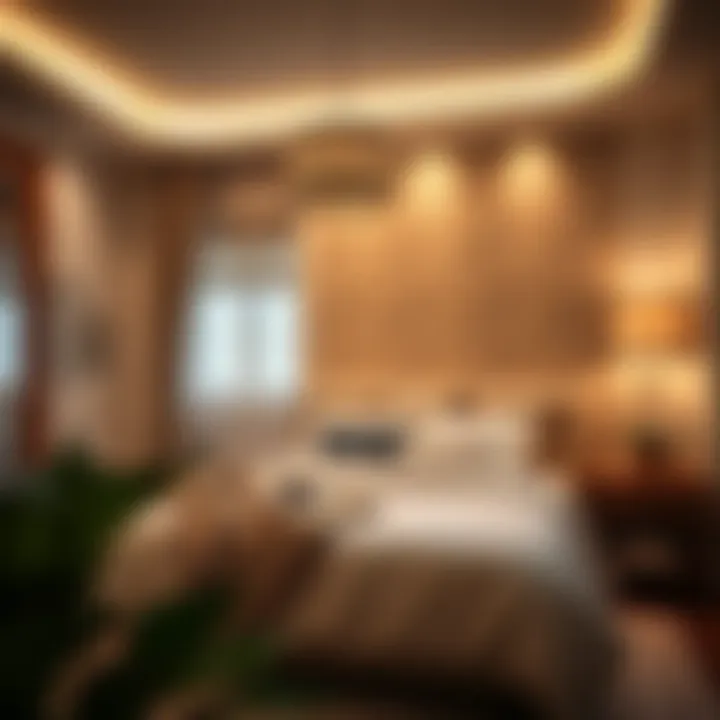
The placement of Green Watt LEDs can greatly affect the ambiance of a room. It’s not just about where the light is; it’s how it's utilized. Here’s how to make the best use of Green Watt LEDs in your setup:
"Light can transform a space, but poorly placed lighting can be a decorative doomsday."
- Layering Lighting: Employ a mix of ambient, task, and accent lighting. This layering method ensures a well-lit space without stark contrasts.
- Height Matters: Ceiling-mounted fixtures are common, but consider using wall sconces or table lamps. Higher fixtures can cast light downward and create an inviting atmosphere, while lower lights can make a space feel cozy.
- Highlight Features: Use accent lighting to draw attention to unique furniture pieces or artwork. Placing LEDs behind a piece can create a beautiful halo effect, enhancing the overall room aesthetic.
Maintaining Energy Efficiency
Once you've implemented your Green Watt LEDs, keeping that efficiency intact is paramount. After all, what's the use of energy-efficient lighting if it doesn't perform as it should? Here are a handful of tips:
- Use Dimmers: Installing dimmer switches not only gives you control over the light intensity but also reduces energy consumption. Dimmed lights will last longer, helping you save on replacement costs as well.
- Regular Maintenance: Keep your fixtures clean to maximize brightness. Dust and grime can reduce light output significantly, negating the benefits of efficiency.
- Smart Home Integration: Consider integrating smart technology. Systems like Philips Hue can help you schedule lighting activities, adjusting brightness based on your home's natural light during the day.
In summary, proper implementation of Green Watt LED lighting can remarkably elevate contemporary furniture design. Through thoughtful selection of wattage, strategic placement, and rigorous maintenance of energy efficiency, homeowners and designers alike can tailor spaces that are not only visually impactful but also environmentally responsible.
Future Trends in LED Lighting and Furniture
The evolution of LED lighting is not just a blip on the radar; it’s a dynamic shift that's reshaping the landscape of furniture design. Today, as the push for sustainability grows louder, designers and manufacturers alike are steadily embracing green watt LEDs. The implications of these innovations are profound, influencing aesthetic choices, energy conservation, and even the overall functionality of our living spaces. The trends we’re seeing today reflect a blend of technological advancements and a heightened awareness of environmental responsibility, marking a significant turning point in how we think about illumination.
Smart Lighting Innovations
In our increasingly connected world, smart lighting has emerged as a frontrunner in the trend towards integrated design and energy efficiency. These innovations don’t merely serve the basic function of providing light; they enhance the user experience by offering features like adjustable brightness, color temperature variations, and the ability to control settings via smartphones or voice commands.
- Adaptive Lighting: Smart LEDs can change their brightness and color based on the time of day, creating an environment that mimics natural light cycles. This makes spaces feel more alive, impacting mood and productivity.
- Integration with Other Smart Home Systems: With platforms like Amazon Alexa or Google Assistant, lighting control can be seamlessly integrated into the broader smart home ecosystem. This synergetic relationship not only boosts convenience but also reinforces energy management practices.
"Smart lighting isn’t just about luxury; it’s increasingly becoming a necessity for efficiency and control in design practices."
- User-Centric Designs: Furniture pieces are now being designed with built-in smart lighting solutions that respond intelligently to the user's needs. For instance, a desk lamp may automatically adjust its brightness based on the time of day or the task at hand, marrying functionality with modern technology.
Sustainability Initiatives in Lighting Design
Moving towards sustainability is not just a trend but a responsibility that forward-thinking designers and brands are taking seriously. Lighting design is now deeply intertwined with materials and practices that prioritize environmental conservation.
- Use of Recyclable Materials: Many furniture manufacturers are opting for materials that are not only recyclable but also lighter, which ultimately reduces the carbon footprint in shipping and production. Using aluminum or sustainably sourced wood in conjunction with green watt LEDs can minimize environmental impact substantially.
- Energy Consumption Awareness: Green watt LED solutions significantly cut down on energy usage when compared to traditional lighting options. This shift not only reduces electricity bills for homeowners but also contributes to lower demand on power plants.
- Life Cycle Assessments: Designers are embracing life cycle perspectives, evaluating the environmental impact of furniture from material sourcing through to disposal. This holistic approach encourages choices that support not only sustainable materials but also long-lasting, durable products, effectively curbing waste.
The trajectory of LED technology indicates that we are steering towards a future where energy-efficient solutions are standard, not optional. For designers, homeowners, and decorators, staying informed and adaptable in the face of these trends will be crucial in making thoughtful decisions that align with sustainable design practices.
To explore more about sustainable lighting designs, check resources such as Wikipedia and National Renewable Energy Laboratory for in-depth understanding.
Epilogue
Summarizing the Impact of Green Watt LEDs
The impact of Green Watt LEDs extends far beyond mere illumination.
- Energy Efficiency: One of the standout benefits of using Green Watt LED lighting is significant energy savings. These lights consume less power compared to traditional bulbs, making them a wise choice for those looking to reduce their electricity bills.
- Longevity: LED lights boast an operational lifespan that dwarfs that of incandescent bulbs. This not only means fewer replacements but also less waste, a core principle of sustainable design.
- Aesthetic Versatility: With various color temperatures and designs available, Green Watt LEDs can enhance the ambiance of any room. From warm whites that create cozy living spaces to bright whites for functional work areas, these lights contribute meaningfully to furniture design.
"The integration of Green Watt LEDs into furniture design doesn't just light up a room, it creates an atmosphere that resonates with purpose and style."
Encouraging Sustainable Design Practices
Incorporating Green Watt LED technology into furniture design is not merely a trend; it's a necessity for fostering sustainability in today's world. Encouraging designers and homeowners to embrace this shift requires a few key strategies:
- Education: Knowledge is power. Hosting workshops and contributing articles about the benefits of LED lighting can enlighten individuals about sustainable practices.
- Collaboration with Manufacturers: Encourage furniture makers to integrate Green Watt LEDs into their products, offering consumers ready-made options for sustainable living.
- Inspiration from Nature: Nature often mirrors the efficiency that Green Watt LEDs offer. Taking cues from natural lighting can lead to design concepts that prioritize eco-friendliness.
Implementing these practices allows for the creation of spaces that are not only beautiful and functional but also responsible. The more we advocate for thoughtful lighting solutions, the closer we get to a sustainable future in furniture design.