Exploring the Multifaceted Nature of Built-In Headboards

Intro
In the ever-evolving realm of interior design, built-in headboards position themselves as an innovative solution, marrying style and functionality seamlessly. These features not only serve as backdrops for your sleeping space but also augment the overall aesthetic of your bedroom, infusing it with character and elegance. Homeowners and designers alike are increasingly drawn to the versatility offered by these headboards, redefining the concept of a functional bedroom layout.
Built-in headboards bring to the table a myriad of design options. From minimalistic modern styles to ornate traditional motifs, they cater to diverse tastes and preferences. Their integrated nature means they can be tailored specifically to fit the dimensions of a room, emphasizing efficiency and turning even the coziest of spaces into an organized haven.
In this comprehensive exploration, we’ll navigate through various aspects of built-in headboards: the latest furniture trends, practical tips for DIY enthusiasts, potential drawbacks, and much more. Whether you're a homeowner seeking to upgrade your bedroom or a designer aiming for inspiration, this guide will offer fresh insights into the world of built-in headboards. Let's uncover how these elements can transform your bedroom into a truly cozy retreat.
Preamble to Built-In Headboards
Built-in headboards represent a unique blend of functionality and design within bedroom spaces. This section aims to shed light on their growing significance in contemporary interior design, particularly in environments where space optimization is paramount. Once considered merely a supporting structure for a mattress, modern headboards serve as focal points that can elevate the aesthetic and functional value of a room.
Building into the very framework of the bedroom, these headboards often incorporate smart solutions such as storage, lighting, and even technological conveniences. They lend themselves beautifully to various styles—from minimalist to ornate—allowing customization to align with individual preferences. Moreover, their space-saving qualities make them particularly appealing for small apartments or studios, where every square inch counts.
When considering a built-in headboard, one must think about not just its aesthetics but also its potential to enhance the overall layout of a room. Influences of architectural design can come into play, particularly when harmonizing with existing decor. It is essential to weigh the visual impact of a built-in headboard against practical needs, such as ease of maintenance and installation.
Aside from the visual appeal, built-in headboards can create a sense of cohesion and flow within the bedroom. Unlike traditional free-standing headboards, which can often feel like an afterthought, built-in designs allow for a more integrated approach. For example, customized lighting solutions can transform the ambiance, and uniquely designed shelves can provide storage while ensuring easy access to your favorite nighttime reads.
Overall, the versatility of built-in headboards benefits various types of homeowners and designers. They allow for creativity without sacrificing utility. As we delve further into this exploration, we will touch on the historical context, materials, and design considerations that can guide the choices of those looking to enhance their bedroom environments.
Historical Context of Headboard Designs
Understanding the historical context surrounding headboard designs opens a window to the evolution of bedroom aesthetics and functionality. Headboards, once merely supportive structures for pillows, have morphed through centuries into integral design elements that complement and enhance a bedroom's ambiance. This section will explore how they reflect broader shifts in cultural, social, and even technological landscapes.
Evolution of Headboard Functionality
The early roots of headboards trace back to ancient civilizations. Initially, they served a practical purpose, preventing drafts and providing some measure of insulation from the cold in unlined walls. In medieval Europe, ornate designs became status symbols, as wealthier families adorned their beds with lavishly carved wooden headboards indicative of their social standing.
In the 17th and 18th centuries, headboards started to take on intricacies beyond mere utility. With the advent of the baroque and rococo periods, artistry overtook functionality. Headboards morphed into focal points of opulence, often upholstered in rich fabrics and framed with intricate woodwork. Fast forward to the 20th century, where the modernist movement began advocating for simplicity. This shift paved the way for minimalistic designs that favored clean lines and functionality without excess.
The transformation of headboards from purely functional to decorative elements reflects changes in lifestyle and social values over centuries.
Today, headboards have reclaimed their place as dual-purpose design elements. They no longer just uphold pillows but often include integrated storage solutions, charging docks for electronics, or even lighting fixtures. This duality illustrates how contemporary design embraces both aesthetics and functionality, combining form with purpose in innovative ways.
Cultural Variations in Headboard Styles
Across the globe, headboard designs mirror cultural identity and craftsmanship. In Asia, for example, you might find headboards made from bamboo or silk, reflecting a harmony with nature and tradition. The Chinese often incorporate auspicious symbols into their headboard designs, infusing their spaces with spirituality and good fortune.
In contrast, Western designs have diverged into a multitude of styles, from the rustic charm of farmhouse aesthetics to the sleek minimalism of contemporary urban settings. Each variation is a testament to local materials, customs, and even historical circumstances. For instance, Scandinavian headboards often embody functionality and minimalism, showcasing wood and light textiles to align with their design principles.
Moreover, design influences like industrial, bohemian, and art deco have further diversified headboards. In contemporary homes, one can find headboards that are not only stylish but also a testament to the blend of various cultural influences—such as a metal headboard inspired by industrial factories juxtaposed with ornate fabrics from the Mediterranean.
The examination of cultural variations illustrates how headboards serve as a canvas reflecting societal values, trends, and even the collective artistic consciousness of a region. Each headboard tells a story, revealing much about the era and culture from which it originates.
Defining Built-In Headboards
Built-in headboards have emerged as a key element in contemporary bedroom design, offering both aesthetic appeal and functional benefits. As we delve into this section, it’s essential to understand what constitutes a built-in headboard and why it’s an influential choice for homeowners and decorators alike. Often seen as a built-in fixture, these headboards seamlessly blend into the overall architecture of the room, creating a cohesive look while maximizing space efficiency.
The significance of defining built-in headboards lies in their role as a functional design feature. Unlike traditional headboards, which can feel like standalone accessories, built-in versions are integrated into the wall or the furniture, providing a more polished and tailored appearance. They often serve multiple purposes, ranging from space optimization to providing extra storage. With the increasing trend towards minimalist and multifunctional design in urban living spaces, it becomes clear that understanding built-in headboards is not just about style; it’s about making smart choices for modern living.
Characteristics of Built-In Headboards
Built-in headboards possess distinct characteristics that set them apart from their traditional counterparts. Here are a few essential features:
- Space-saving Design: These headboards are generally designed to fit snugly against the wall, eliminating wasted space and increasing usable area in the bedroom.
- Customization Capability: Homeowners can tailor built-in headboards to meet their specific needs, whether it be additional shelving, integrated lighting, or unique contours that reflect personal style.
- Durability: Constructed often from high-quality materials, built-in headboards are designed to last, withstanding the rigors of daily use far better than some freestanding variants.
The amalgamation of these characteristics leads to a headboard that is not just functional but also enhances the overall look and feel of the bedroom.
Different Types of Built-In Headboards
Now, let’s explore the various types of built-in headboards that you might consider integrating into your space:
- Wall-Mounted Headboards: These headboards are fixed directly onto the wall, creating a sleek look and providing a seamless transition from wall to bed.
- Cabinet Style Headboards: These heads have built-in cabinets or shelves, making them ideal for small spaces where storage is a priority.
- Platform Style: These incorporate the headboard into a larger bed frame, commonly seen in platform beds, giving a unified aesthetic while maximizing comfort support.
- Upholstered Built-In Headboards: By adding fabric or padding, these offer additional comfort and style. They can be tailored to match room décor and colors, acting as a statement piece.
- Bookcase Headboards: Combining functionality with design, these headboards often feature shelves or compartmentalized spaces for books, clocks, or decorative items.
Each of these types offers unique advantages, allowing homeowners to select options that best meet their needs while ensuring the design remains fluid and engaging within their overall bedroom layout.
"Understanding built-in headboards is pivotal for modern design, transforming bedrooms from mere sleeping spaces into thoughtfully organized havens."
By defining built-in headboards thoroughly, we set the stage for deeper explorations into their multiple advantages and the clever ways they can be incorporated into personal design narratives.
Design Considerations
When it comes to designing a bedroom, every detail counts, and built-in headboards play a crucial role in creating a visually appealing and functional space. The term "design considerations" encompasses a variety of elements that one must keep in mind when selecting or customizing a built-in headboard. These include not only aesthetic preferences but also factors like functionality, room dimensions, and personal lifestyles.
One major benefit of carefully considering your design choices lies in the seamless integration of the headboard with the overall bedroom layout. A well-selected headboard can act as a focal point that enhances the room's ambiance. It offers a chance to express one's personality—whether opting for a sleek, minimalist design or a dramatic upholstered option with rich textures and colors.
Moreover, taking the dimensions of your room into account is paramount. A headboard that dominates the wall can overwhelm a small room, while a delicate design may vanish in larger spaces, lacking any real impact. Understanding the balance between the headboard size and room scale helps in crafting a cohesive, inviting environment.
Another critical aspect to consider is the lifestyle of the occupants. If your bedroom serves not just as a sleeping area but also as a multifunctional space—say, for reading or working—a headboard with integrated storage or even built-in lighting can be a game-changer.
In essence, design considerations are fundamental to ensuring that the built-in headboard is not just a decoration; it becomes a vital component of the room's overall scheme.
Choosing the Right Style for Your Space
Selecting the right style of built-in headboard can be daunting, especially with the plethora of options available today. The key is to match the headboard with the overall theme of your bedroom. Modern, rustic, traditional—whatever your aesthetic might be, ensuring that the headboard complements this style will yield a harmonious look.
Consider these points:
- Color Palette: Choose a color that aligns with the existing shades in your bedroom. A bold color can make a statement, while neutral tones maintain a calm environment.
- Texture: Think about texture. A wooden headboard adds warmth, while upholstered options bring softness. Mixing materials can also create visual interest.
- Scale and Proportion: Ensure the headboard's size is proportionate to your bed and the room. A lofty headboard might suit high ceilings, while a lower profile works well in petite spaces.
Remember, the style you choose will greatly influence the room's comfort and functionality.
Integration with Existing écor
Integrating a built-in headboard with your bedroom's existing décor is paramount for a unified space. It doesn’t just serve as a backdrop for your bed—it should enhance the whole area.
Here are some tips for effective integration:
- Match Existing Furniture: If you have wooden furniture, select a similar finish or color for the headboard. This creates visual continuity.
- Coordinate with Patterns: If your bedding or curtains have a specific pattern, choosing a solid headboard can help ground the room. Conversely, if your bedding is plain, a patterned headboard could add depth and excitement.
- Utilize Accents and Decor: Adding accent pillows or wall art that echoes the colors of the headboard helps tie everything together. Think of accessories as the finishing touches that can enhance the connection between the headboard and the overall decor.
Integrating your built-in headboard not only elevates the aesthetic appeal of your bedroom but can also optimize the room’s functionality by promoting a cohesive flow within your space.
"A well-designed headboard can transform a bed from a mere piece of furniture into a stunning centerpiece, tying together all elements of the room."
By being thoughtful about design considerations, style choices, and the integration of existing decor, homeowners can truly elevate their bedrooms to reflect both personal style and comfort.
Materials Used in Built-In Headboards
Understanding the materials used in built-in headboards is vital, not just for their aesthetic appeal but also for their functional advantages. The choice of material can drastically alter a room's atmosphere and has practical implications for durability and maintenance. Each material comes with its own set of benefits and potential drawbacks, so knowing what is available can help homeowners and designers make informed decisions.
Wood: A Timeless Choice
Wood has long been considered a classic option for headboard construction, and it’s easy to see why. Not only does it possess a warmth and texture that can enhance any space, but it also lends durability and stability. Different types of wood, such as oak, maple, or walnut, provide unique characteristics. For instance, oak can impart a rustic feel, while walnut might contribute a sense of elegance.
Another appealing aspect of wood is its ability to be customized. It can be stained, painted, or left in its natural state, providing virtually endless design possibilities. However, one should keep in mind that wood can be sensitive to humidity and temperature changes, which might lead to warping over time. Despite this, the timelessness and adaptability of wood continues to make it a favored choice for many.
Upholstery and Fabric Options
When it comes to comfort and style, upholstered headboards have taken center stage. They can add a plush, inviting feel to a bedroom, often utilizing a variety of fabrics that can match any design aesthetic. From luxurious velvet that screams opulence to practical linen that holds up well over time, the fabric choice can set the tone for the entire room.
Moreover, upholstery allows for creative patterns and textures, making each headboard a unique piece of art. However, it’s crucial to consider the practical side of these materials too. Fabrics can be susceptible to stains and wear, requiring more regular cleaning compared to more robust materials like wood or metal. Maintenance tips include using fabric protectors and opting for removable covers when possible to keep your headboard looking fresh.
Innovative Materials in Modern Design
In today’s ever-evolving design landscape, innovative materials have emerged, pushing the boundaries of what built-in headboards can be. From eco-friendly bamboo to sleek metal and even recycled materials, the options are as diverse as they are intriguing. These materials cater to different aesthetic preferences and functionality, allowing for striking designs that can also be sustainable.
For instance, bamboo not only offers a natural look but is also a renewable resource, appealing for the eco-conscious homeowner. Alternatively, metals like aluminum can offer a sleek and modern vibe, perfect for minimalist designs. The versatility of modern materials not only meets diverse tastes but also addresses sustainability and durability concerns.
"The choice of material impacts not just the look, but the longevity and feel of a space. It is a critical element in design success."
Ultimately, when choosing materials for built-in headboards, one must consider aspects such as durability, cleaning ease, and how well the material integrates with the overall bedroom design. This confluence of style and functionality underscores the broad spectrum of options available for building a headboard that truly enhances the personal touch of any bedroom.
Functional Aspects of Built-In Headboards
Built-in headboards go beyond mere aesthetics; they are designed with functionality in mind, playing a pivotal role in enhancing bedroom usability. More than just a backdrop for your bed, these headboards optimize space, provide additional storage solutions, and can even serve a technological purpose in today’s modern homes. Their placement and integration into bedroom design can significantly influence how the space is perceived and utilized. Understanding the functional aspects of built-in headboards will help you appreciate their value, and consider their relevance in your interiors.
Space Optimization in Small Bedrooms
In a world where space often comes at a premium, built-in headboards can be a game changer, especially in small bedrooms. Rather than occupying valuable floor area, these headboards can be seamlessly integrated into wall designs, thus conserving precious inches. Unlike traditional furniture that might leave gaps and awkward spaces, built-in designs maximize vertical area, transforming what may seem like a cramped room into one that feels more open and airy.
Here are some of the ways that built-in headboards contribute to space optimization:
- Tight Fit: The flush mounting against the wall utilizes every square foot, erasing the need for conventional headboards or nightstands that jut out into the room.
- Height Matters: By extending vertically rather than horizontally, you draw the eyes up and create an illusion of height, which can make a low-ceilinged room feel more spacious.
- Multi-Functionality: Integration with shelving and lighting allows homeowners to incorporate necessary bedroom elements without creating clutter.
The clever design of a built-in headboard can be the ticket to maximizing your small space without sacrificing style or comfort.
Storage Solutions with Built-In Headboards
One of the standout features of built-in headboards is their ability to incorporate storage, which is another boon in optimizing small spaces. By integrating drawers, shelves, or even hidden compartments, these headboards can provide essential storage solutions while keeping items organized and easily accessible.
Consider these aspects when it comes to storage with built-in headboards:
- Concealed Storage: Custom designs can include compartments that hide away items like books, blankets, or tech gadgets, keeping the visual clutter to a minimum.
- Open Shelving Options: Open shelves allow you to display decorative pieces or store items for easy reach while adding dimension to the headboard design.
- Nightstand Alternative: Built-in headboards can reduce or even eliminate the need for a nightstand, freeing up additional floor space and lending a minimalist aesthetic to the room.
"A built-in headboard merges style and storage, ensuring that every inch is utilized for maximum benefit."
In essence, the versatility of built-in headboards establishes them not just as a decorative element, but as clever designs that serve practical needs. From optimizing limited spaces to offering smart storage solutions, they prove their worth, especially for those living in tighter quarters. By exploring these functional aspects, homeowners and designers can recognize how built-in headboards can enhance both the look and use of a bedroom.
Customization Options
In the realm of interior design, the ability to personalize a space speaks volumes about one’s style and character. When it comes to built-in headboards, customization options truly showcase creativity and practicality. Custom headboards can steer the aesthetic direction of the bedroom while addressing specific needs of the inhabitants. This section explores how tailoring these designs can transform a mundane space into an oasis of personalization and functionality.
Tailoring Designs to Personal Aesthetics
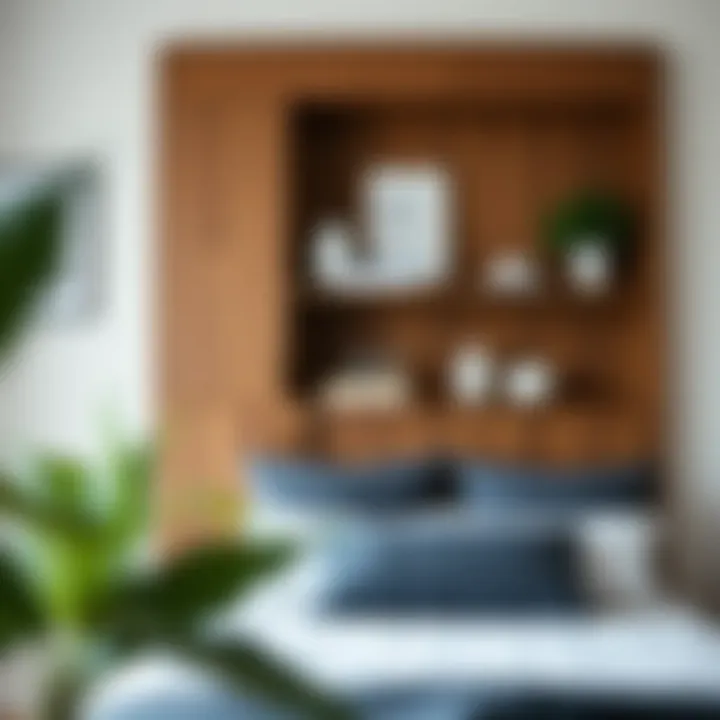
Built-in headboards offer a unique canvas for expression. Homeowners often want their personal aesthetics to shine through. One can opt for various styles, whether it be sleek modern lines, rustic charm, or something more eclectic. The advantage of a built-in design is that it seamlessly integrates with your home’s existing architecture and decor.
Consider a few elements while tailoring:
- Color Schemes: Choose colors that complement or contrast with your room’s palette. A soft dove gray may lend a calm touch, while a vibrant teal could energize the space.
- Textures: Mixing materials adds depth. For instance, a wooden headboard framed with plush fabric can create a lasting visual impact.
- Shapes: The outline can enhance the overall feel. Round edges can evoke a sense of comfort whereas sharp angles can impart a more polished, modern look.
By ensuring the headboard mirrors personal taste, it becomes more than just a utility; it transforms into a focal piece that ignites conversation and admiration.
Incorporating Technology into Headboards
The modern bedroom is no longer just a sanctuary for rest, but a hub of technology. Built-in headboards can embrace advancements in tech, making them multifunctional. This integration enhances not only style but also convenience.
Here are several ways technology can be melded into headboard designs:
- Built-In Charging Ports: In today’s tech-savvy world, having USB ports easily accessible can be a game changer. It allows devices to charge overnight without stretching cords around the room.
- LED Lighting: Consider lighting options that can change color or brightness, providing a customizable atmosphere. Imagine settling into bed and soft blue lights automatically dimming as you drift off to sleep.
- Integrated Sound Systems: For music lovers, a headboard can accommodate Bluetooth speakers, allowing you to set the mood with your favorite tunes without cluttering surfaces with tech.
Incorporating technology isn’t just about convenience; it can also enhance the overall aesthetic of the bedroom. The fusion of style with function is attractive to homeowners looking to create a harmonious living environment.
"Customization elevates built-in headboards from mere furniture to a substantial part of your daily life, harmonizing beauty with practical functionality."
In short, the options for customization are vast and varied, allowing for a headboard that genuinely reflects the individual’s personality and lifestyle. By embracing these options, you ensure your design is both striking and purposeful, adding layers of meaning to your personal sanctuary.
Installation and Maintenance
When it comes to built-in headboards, installation and maintenance play pivotal roles in ensuring that these features not only enhance the aesthetic appeal of a bedroom but also serve their functional purpose effectively. Proper installation guarantees stability and durability, while maintenance ensures that these customized pieces remain in prime condition over time. This guide will clearly lay out the key aspects to consider when installing and maintaining built-in headboards, thereby helping homeowners and designers to make informed choices.
Professional Installation vs. DIY
The decision between hiring a professional for installation or tackling the project as a DIY endeavor affects both the time and resources involved.
- Professional Installation
Engaging an expert can bring about a polished finish that’s often hard to achieve on your own. Here are some key advantages of opting for professional installation: - DIY Installation
For the more adventurous, a DIY installation can add a personal touch and is often less expensive. Nonetheless, it comes with its share of challenges:
- Expertise: Professionals possess the skills and knowledge needed to measure and plan, ensuring the headboard fits seamlessly.
- Tools and Equipment: They come with the right tools, saving you the headache of purchasing or renting equipment.
- Time-Efficiency: Experts can often complete the installation in a fraction of the time it would take an amateur, minimizing disruption in your living space.
- Warranty Assurance: Many professionals offer a warranty on their work, providing peace of mind in case of future issues.
- Learning Curve: If you're not handy, there might be more trial and error than expected.
- Tool Acquisition: Assembling a toolkit may incur costs, especially if you lack basic tools.
- Time Investment: DIY may demand much more time than anticipated, potentially leading to frustration.
- Quality Concerns: Without experience, the final result might lack the professional touch, potentially affecting functionality.
Care and Maintenance Guidelines
Understanding the care requirements for built-in headboards is vital for longevity. Without proper attention, even the most exquisite designs can suffer. Here are some guidelines to keep in mind:
- Regular Inspection: Check for looseness in fittings and screws, particularly if your headboard incorporates shelving or storage. Early detection can thwart larger issues.
- Cleaning: Depending on the materials used, cleaning approaches will differ. For wooden headboards, a soft, damp cloth is generally effective. Soft upholstery may require vacuuming and occasional mild shampooing to maintain freshness.
- Avoid Direct Sunlight: If your headboard is made of fabric or has a wood finish, prolonged exposure to sunlight can cause fading and damage. Consider using curtains or shades in the room to protect it.
- Moisture Control: In humid environments, ensure good ventilation to prevent mold growth, particularly in upholstered designs. A dehumidifier may be beneficial in such cases.
- Periodic Upkeep: Treat wooden headboards with oil or polish every few months to maintain the finish. For modern materials, refer to manufacturer guidelines for specific maintenance needs.
"A little regular care goes a long way—keeping your headboard like new is easier than you think."
By adhering to these installation and maintenance strategies, homeowners can ensure that their built-in headboards serve as lasting fixtures that harmonize aesthetics with functionality.
Comparative Analysis with Traditional Headboards
When we dive into the world of bedroom design, comparing built-in headboards with traditional options is more than a mere preference; it’s an exploration of how these two styles meet the needs of modern living. Traditional headboards, often free-standing and typically seen in various materials and styles, serve their purpose. However, built-in headboards bring a level of functionality and style that can be especially appealing for designers and homeowners alike.
The importance of this comparison lies in understanding the unique offerings and potential limitations of each option. Built-in headboards, for instance, are primarily designed for space optimization which, given smaller urban living spaces, can make a huge difference. They integrate more naturally into the architecture of a room, creating a seamless transition from wall to furniture. In contrast, traditional headboards can feel almost tacked on, as if they are an afterthought.
Aesthetic Differences
The aesthetic distinctions between built-in and traditional headboards are clear upon closer inspection.
- Built-in headboards often utilize available wall space, creating a sleek, custom look that enhances the entire room. The level of customization can lead to designs that are highly personalized and can include integrated shelving or lighting. This ability to blend into the surrounding decor allows for a more harmonious visual experience.
- Traditional headboards, on the other hand, are available in a myriad of styles, from rustic wooden designs to elegant upholstered pieces. While these can undoubtedly stand out, they may clash with or disrupt design continuity in more contemporary settings. The beauty of a traditional headboard often lies in its freestanding nature, allowing for more mobility over time.
To put it simply, while traditional headboards offer variety and charm, built-in options promise a unified design experience that is often tailored to specific needs and tastes.
Functional Differences
Moving beyond aesthetics, functionality in furniture design can't be overlooked. Built-in headboards generally provide enhanced utility compared to their traditional counterparts.
- Space-saving features: Many built-in designs incorporate elements such as bookshelves or storage cubbies right into the headboard. For instance, a built-in headboard might feature nooks for books, which not only saves space but can also serve as a decorative opportunity—with curated items showcased for personal flair.
- Lighting integration: Many modern built-in designs include lighting elements for reading or ambient illumination, creating a multi-functional furniture piece that complements the user's lifestyle. In comparison, traditional headboards may necessitate additional lamps or lighting fixtures, which can clutter space.
- Stability and durability: Built-in headboards, being anchored to walls, often provide more stability than traditional headboards, which can wobble or slide when bumped. This stability is vital in a household setting where kids might be bouncing around or pets hop up to join the fun.
To sum it all up, while traditional headboards offer a classic charm, built-in headboards excel in functionality, delivering solutions that traditional options sometimes simply cannot provide.
"Choosing the right headboard is not just about style, it’s about how it fits into your daily life. A headboard should serve as a blend of comfort and practicality."
Ultimately, the choice between a built-in or traditional headboard should align with personal needs and design aspirations. Whether one seeks a timeless, standalone piece or a modern, integrated solution, both options can bring their own unique flair to the bedroom.
Potential Drawbacks of Built-In Headboards
Built-in headboards offer a modern solution to bedroom design, but it's important to consider their downsides. While these structures can elevate the aesthetic appeal of a space, they come with potential limitations and cost implications that can affect homeowners and designers alike. Understanding these drawbacks is pivotal when deciding whether to incorporate such features in interior design. A balanced view helps in making informed choices that blend function with style.
Limitations in Flexibility
One significant concern with built-in headboards is their inherent lack of flexibility. Unlike traditional, standalone headboards that you can easily move around or replace, built-ins are typically fixed. This means that any changes in decor, style, or room layout could render the headboard less suitable. For example, if you decide to shift your bed against a different wall, the built-in headboard may no longer fit cohesively with the new arrangement.
In addition, if personal tastes change, making changes to built-in headboards is often more involved compared to swapping out traditional options. Customization can be limited to the point of installation, and homeowners might find themselves stuck if they want a fresh look without undergoing a costly renovation. This rigidity can be a deal-breaker for those who thrive on adaptability in their living spaces.


Moreover, the fixed nature of these headboards can complicate furniture arrangements, especially in smaller rooms. A lack of options can restrict creativity in bed positioning and space utilization.
Cost Considerations
The financial implications of built-in headboards can be quite substantial. While they may initially seem like a chic addition to a bedroom, the costs can quickly add up. The installation, materials, and craftsmanship required for a custom-built headboard can make it an expensive endeavor compared to simpler, traditional designs.
For instance, commissioning a custom-built headboard might involve hiring skilled carpenters or designers, which can elevate the expense significantly. This may not include unexpected costs related to modifications and structural changes, particularly if there’s a need to accommodate specific dimensions or integrate additional features, like lighting or shelving.
Furthermore, should a built-in headboard become undesirable or unusable over time, the cost of removal presents another hurdle. Unlike a traditional headboard that can be resold or given away, built-ins typically require dismantling, which can lead to additional expenses.
Ultimately, while built-in headboards can enhance a bedroom's aesthetic, they require careful financial consideration. Balancing the beautiful possibilities against the potential costs is vital strategy for homeowners and designers alike.
In summary, understanding the limitations in flexibility and cost implications associated with built-in headboards is key to making informed decisions in interior design. This knowledge enables homeowners and designers to weigh the benefits against the challenges, ensuring a more satisfactory outcome for any project.
Trends in Built-In Headboard Designs
As we delve into the domain of built-in headboards, it becomes increasingly clear that trends in design play a pivotal role in their evolution and relevance. This section will unpack the significance of these trends, focusing on sustainability and emerging styles that resonate with contemporary homeowners and designers alike. Understanding these trends opens the door for thoughtful integration into any bedroom environment, blending aesthetics with functionality.
Sustainability in Materials
Sustainability has surged to the forefront of design philosophy, and built-in headboards are no exception. Homeowners today are increasingly aware of the impact their choices have on the environment, making material selection a crucial aspect of the design process. By opting for sustainable materials, like reclaimed wood or bamboo, individuals can create a stunning visual effect while also reducing their carbon footprint.
- Reclaimed wood: This choice not only brings character to the headboard but also means that each piece is unique. When worked into a built-in design, it can infuse warmth and a sense of history into modern spaces.
- Bamboo: Known for its rapid growth and renewable properties, bamboo is another excellent option. Its sleek texture and natural color can harmonize beautifully in a contemporary interior.
Beyond materials, sustainability also encompasses the longevity of these products. A well-constructed built-in headboard is not merely a temporary fixture; it's an investment that can stand the test of time. Additionally, many manufacturers are beginning to incorporate eco-friendly adhesives and finishes that minimize harmful emissions, further appealing to environmentally conscious buyers.
"Choosing sustainable materials for built-in headboards not only enhances your room’s beauty but also aligns with a responsible lifestyle."
Emerging Styles in Contemporary Interiors
In the fast-evolving landscape of interior design, built-in headboards have adapted by embracing emerging styles that reflect the values and lifestyles of today's homeowners. From minimalist to maximalist, these styles offer versatility and personal expression.
- Minimalist designs: Characterized by clean lines and simple forms, this trend focuses on functionality without compromising aesthetics. A minimalist built-in headboard avoids unnecessary embellishments, allowing the room to breathe while creating a serene environment.
- Maximalist approaches: On the opposite end, maximalism celebrates boldness through vibrant colors, intricate patterns, and layered textures. A built-in headboard in this style can act as a focal point in the room, inviting conversation and admiration.
- Industrial chic: Combining raw materials like metal and unfinished wood with sleek designs, this trend appeals to urban dwellers. Such headboards often feature built-in shelving or lighting elements, enhancing practicality while exuding an edgy aesthetic.
- Bohemian flair: For those who crave a personal touch, bohemian-inspired built-in headboards can incorporate patterns and materials that reflect cultural influences. This style allows for creativity, combining textiles, handmade accents, and meaningful decor.
By recognizing these emerging styles within built-in designs, homeowners can tailor their headboards not just to meet their practical needs but to also express their individuality. Whether embracing minimalism’s tranquility or the vibrant nature of maximalism, the options are plentiful and inspire creativity in interior spaces.
Incorporating Personal Touches
When it comes to customizing a living space, the significance of personal touches cannot be overstated. In the realm of built-in headboards, these unique embellishments transform an ordinary feature into a reflection of individual style and personality. A headboard is not just a functional element; it serves as a central piece in the bedroom's aesthetic narrative.
By integrating personal touches, homeowners can create a cohesive environment that resonates with their tastes while enhancing the overall ambiance. It's all about finding those design elements that resonate with one's identity and lifestyle, merging functionality with artistry.
Artwork and Decor Enhancements
Art has an undeniable ability to breathe life into any space. When incorporated into the design of a built-in headboard, artworks and decorative elements become focal points that capture attention and spark conversations. The choice of art can vary widely, from framed prints that reflect a favorite theme to handcrafted pieces that speak of personal journeys.
When selecting artwork, it is essential to harmonize the colors and styles with the surrounding décor. For instance:
- Color Coordination: Matching the art colors with the bedding or wall paint establishes a seamless look.
- Thematic Consistency: If the room has a nautical theme, incorporating sea-inspired prints can strengthen that vibe.
- Size Consideration: Overly large artwork may overpower the headboard; a delicate balance should be found.
Moreover, decorative accents like vases or sculptures can be integrated along the sides of a headboard, creating a visually appealing ensemble. The careful selection of these enhancements not only improves the aesthetic appeal but also conveys a deeper story about the homeowner's preferences and life experiences.
The Role of Lighting in Enhancing Aesthetics
Lighting can dramatically alter the perception of a space, and built-in headboards are no exception. The strategic placement of lighting fixtures can accentuate the features of a headboard, allowing it to become a standout element in the room. Different lighting options offer varied impacts:
- Wall Sconces: Installed at the sides of the headboard, they provide ambient light and create an inviting atmosphere, perfect for evenings spent reading.
- Backlighting: An illuminated headboard can evoke a modern and sophisticated feel. This method highlights textures and patterns, adding depth and dimension to the design.
- Flexibility with Dimmers: Adjustable lighting allows homeowners to tailor the ambiance according to mood and occasion, making it a practical feature for both relaxation and entertainment.
By thoughtfully choosing lighting that complements the headboard's design, one can cultivate a sanctuary that feels at once stylish and intimate.
With these personal touches, built-in headboards evolve from mere fixtures to personal statements. They embody the essence of who we are, telling our stories through art and light, ultimately transforming our spaces into havens that truly represent us.
Culmination: The Lasting Impact of Built-In Headboards
Built-in headboards hold a significant place in contemporary bedroom design, acting not just as a functional item, but also as a pivotal aspect that can define a room’s aesthetic and utility. By combining practicality with stylistic flair, these headboards have made their mark in the realm of interior design.
The Essence of Built-In Headboards
One of the most remarkable things about built-in headboards is their capacity to blend seamlessly into a room's layout. Unlike traditional headboards which can often feel like add-ons, built-in options are integrated into the overall design scheme. This adaptability allows homeowners to maximize space - particularly valuable in smaller rooms where every ounce counts. A well-designed built-in headboard could feature elements such as shelving, lighting, or even tucked-away storage, combining style and function.
"A well-thought-out headboard layout can transform a cramped space into a personal retreat."
Aesthetic Appeal
The impact of these headboards extends beyond functionality. They can take on a myriad of designs, from minimalist and modern to ornate and classic. This versatility means they can cater to a wide range of tastes and preferences, ensuring there is something for everyone.
- Customization: Homeowners have the opportunity to tailor the design to reflect personal aesthetics, easily incorporating features like patterns, textures, or specific color schemes.
- Artistic Touch: Built-ins can serve as a canvas for artistic expression, contributing to the overall feel of the space, whether it be calm, vibrant, or sophisticated.
Practical Considerations
While embracing the aesthetics of built-in headboards, one has to remain acutely aware of practical considerations. Such installations typically require a certain level of commitment, both in terms of design and investment. However, they can also increase property appeal and value.
- Cost vs. Value: Although initial cost can be higher relative to traditional options, built-ins often yield greater long-term value. Their design permanence and aesthetic enhancement can make a strong impression on potential buyers.
Closure
In summary, the lasting impact of built-in headboards is marked by their unique blend of utility, artistic expression, and adaptability. They embody a thoughtful approach to modern living spaces by promoting smart design without sacrificing comfort or style. For designers, homeowners, and decorators alike, these headboards are more than just functional furniture; they are a significant design statement that can transform an ordinary bedroom into an extraordinary retreat.


