The Allure of Glass Coffee Tables in Modern Design
Intro
In the realm of interior design, few pieces hold the magnetic charm of a glass coffee table. These tables do more than merely serve a purpose; they seamlessly navigate the divide between utility and artistry. Picture a bustling living space where friends gather, drinks are passed around, and stories unfold. Amid this dynamic, a glass coffee table stands as a canvas—a reflection of style, taste, and even personality. The topic at hand is not just about selecting a piece of furniture but understanding the significant role these tables play in crafting modern interiors.
As we journey through the exploration of glass coffee tables, we will shed light on their aesthetic appeal, practical advantages, and how they complement diverse design styles. Homeowners and design aficionados alike will find useful insights, whether they are choosing a glass table or integrating one into existing décor. After all, in a world swamped with flooring options and seating arrangements, how do we ensure that the centerpiece of the room—be it a glass table or any other material—echoes the ethos and style of the space it inhabits?
With this in mind, let’s dive into the intricate layers that define the allure of these elegant pieces.
Furniture Trends and Styles
Contemporary Furniture Trends
The contemporary style often embraces minimalism and clean lines, where form follows function. In this context, glass coffee tables shine by offering transparency and an illusion of spaciousness. The trend veers toward simpler geometries—think sleek round or rectangular shapes that can be dressed up or down depending on your decor. Moreover, the infusion of metals such as chrome or brushed gold as legs or accents to glass surfaces has become increasingly popular. This amalgamation of materials creates a dynamic contrast while maintaining clarity and lightness.
Another contemporary avenue captivates with whimsical and artistic approaches. Coffee tables that twist and turn, presenting unique shapes or integrating unconventional materials, are en vogue. Designers are pushing traditional boundaries, leading to innovative designs that act as conversation starters, rather than just functional pieces.
"A glass coffee table acts as a bridge—not just within the room but also between styles, eras, and cultures."
Classic Furniture Styles
In contrast, classic furniture styles bring timelessness to the equation. Here, glass coffee tables may feature ornate bases made of wood or wrought iron, while the tops remain sleek and transparent. Pairing these with more traditional furniture, such as a tufted leather sofa or wingback chairs, achieves an elegant balance—an intersection where modern meets the classic.
Farmhouse or vintage decor increasingly incorporates glass tables, where the base is often distressed wood, giving the piece a rustic charm. This creates a beautiful dialogue between vintage and contemporary, making the table adaptable for various styles while preserving its inherent elegance.
DIY Tips and Tricks
Upcycling Old Furniture
Homeowners often seek ways to minimize waste while keeping their interiors chic. One crafty solution lies in upcycling old furniture, transforming vintage items into stunning glass-topped tables. Consider taking an old trunk or a stack of stacked books, placing a glass top on them, or even using leftover wood from a renovation. Anything can become a unique base for a glass top when you let your creativity run wild.
Creative Furniture Arrangements
Arranging furniture can be as crucial as the pieces themselves. Place a glass coffee table centrally in a room to draw attention, while surrounding it with a comfortable seating arrangement. Pair the table with colors and accessories that echo the overall theme of the room. For instance, using colorful coasters or decorative trays can bring warmth to the coolness of the glass surface. Additionally, consider layering textures with a soft rug beneath the table, creating an inviting atmosphere while ensuring the transparency of glass is never overshadowed.
The allure of glass coffee tables is undeniable; they offer a versatile touch to modern design while accommodating varying tastes and styles. In melding transparency with practicality, they continue to remain significant in the conversation of contemporary and classic design alike. Embracing these insights could lead to the perfect integration of glass coffee tables in your living space.
Prologue to Glass Coffee Tables
Glass coffee tables are more than just surfaces to rest your drinks; they are central pieces of art in the living room. The appeal of these tables goes beyond aesthetics; they blend seamlessly with a variety of styles, serving as a canvas for designer creativity. Not every surface can evoke the same sense of lightness and sophistication as glass. These structures elevate a room's atmosphere, making spaces feel open and airy, even in snug apartments.
As homeowners and designers increasingly seek innovative ways to incorporate functionality with style, glass coffee tables rise to the occasion. Their versatility makes them appealing in any setting, from chic urban lofts to cozy suburban homes. The ability to see through them means they won't clutter the visual space. They allow other design elements in the room—sofas, wall art, and even the flooring—to shine in their own right, creating an inviting and layered visual experience.
In this section, we will explore the two main facets: defining glass coffee tables and their historical context. Understanding the essence of these tables uncovers why they remain a favored choice among many.
Defining Glass Coffee Tables
Glass coffee tables come in a variety of forms and styles, generally characterized by a tabletop made of glass, supported by a frame that could be crafted from materials like metal or wood. This combination fosters a perfect balance between fragility and strength. The transparency of glass allows it to fit effortlessly into various arrangements and scales, avoiding the feeling of being boxed in.
The types of glass used can widely vary, from tempered glass—known for its durability—to frosted options that offer a unique texture. It's essential to select the right type based on the intended ambiance and practicality of the space. Therefore, a thorough understanding of different designs and, more crucially, the materials used in their construction can significantly affect one's choice pertaining to glass coffee tables.
Historical Context
The journey of glass coffee tables is quite fascinating and layered. These tables have their roots in mid-20th century design, a period marked by fresh ideas and experiments in material usage. The iconic visionaries of modern design, such as Charles and Ray Eames or Mies van der Rohe, paved the way for the elegant forms we see today. They embraced glass not just for its aesthetic merits but for its ability to interplay with light and space.
In the past, glass furniture was often considered a luxury, associated with extravagance and elitism. Over time, however, advancements in manufacturing technology made it more accessible to the average consumer. Now, glass coffee tables are often regarded as a staple in contemporary homes, reflecting a blend of practicality and style that resonates strongly with today's homeowners.
By examining the definitions and origins of these tables, we can appreciate not just their function but also how they embody shifts in design thinking throughout the years. The allure of glass coffee tables lies not only in their shape and form but also in the rich tapestry of history surrounding them.
Design Aesthetics
The aesthetics of glass coffee tables serve as a crucial element in modern interior design. They not only enhance the visual appeal of a space but also contribute to the overall atmosphere. A well-chosen glass table can bring a sense of lightness, style, and sophistication to a room, making it a focal point that draws attention. The transparency of glass creates the illusion of space, which is particularly beneficial in smaller areas, making them feel more open and welcoming.
Furthermore, glass coffee tables can effortlessly adapt to various design philosophies—whether it's sleek minimalism or more intricate traditional decor, these tables offer flexibility that many solid tables cannot.
Contemporary Versus Traditional Styles
When considering the choice between contemporary and traditional styles, glass coffee tables shine due to their versatility. In contemporary settings, you may find sleek, geometric designs that lean heavily on clean lines and innovative forms. On the other hand, traditional styles often incorporate ornate bases made of wood or metal, combining richness with the lightness of the glass top. This balance can appeal to those who appreciate classical design but want a modern touch, creating a space that is at once timeless and current.
Whether you opt for a modern sculptural piece or a classic styled table with detailed craftsmanship, each choice tells a story and sets a tone for your living area.
Complementing Existing écor
Color Theory
Color theory plays a significant role when incorporating glass coffee tables into a living space. The interaction of color can dramatically influence a room’s mood. For instance, a clear glass table can reflect and amplify colors around it, creating a vibrant and dynamic atmosphere. In contrast, tinted or frosted glass tables can introduce subtle hues that complement or contrast existing color schemes, providing a seamless transition between various design elements.
- Key Characteristic: The adaptability of a glass table in relation to color makes it a preferred choice for many designers.
- Unique Feature: The reflective surface of glass often catches and plays with light, adding depth and interest to a space.
- Advantages: This feature allows homeowners to change their decor without the need to replace furniture, as a glass table fits in so many styles.
Material Harmony
Material harmony refers to the balance of different materials within a design scheme. Glass coffee tables stand out for their ability to pair well with a variety of materials, from wooden bases to metal frames. This fluency allows them to coexist comfortably with couches, chairs, and other furniture elements.
- Key Characteristic: Glass, being sleek and minimal, can contrast beautifully with textured materials like wood or fabric, which adds richness to a room.
- Unique Feature: The lightness of glass can soften a space that may feel heavy with darker woods or dense upholstery.
- Advantages: Its ability to mesh with opposites makes glass a practical addition to any home, ensuring that it won’t overpower other materials while still contributing visually.
Unique Design Features
There are some unique design features that make glass coffee tables a sought-after option. Many inclusively support intricate designs, such as tables with interesting legs or bases that become a conversation starter. Features like geometric shapes, mixed media components, and even innovative tech integrations—such as built-in LED lighting, can elevate the practicality and allure of glass coffee tables even further. These tables are not only functional pieces of furniture, but they also act as artistic statements in their own right.
"A glass coffee table isn't just about sitting a cup down; it's about crafting an experience in your living room. It reflects the personalities and styles of the inhabitants."
In this sense, glass coffee tables embody the intersection of functionality and artistry, making them a clever choice for those looking to enhance both the utility and aesthetic of their living spaces.
Functional Benefits
When it comes to integrating glass coffee tables into modern interiors, the functional benefits play a pivotal role in their widespread appeal. Glass coffee tables not only serve as stunning centerpieces but also fulfill practical needs that enhance everyday living. Their roles extend beyond mere aesthetics, intertwining with principles of utility, space management, and an ambiance of openness.
Maximizing Space in Small Living Areas
Living in smaller spaces often necessitates thoughtful design choices. Glass coffee tables excel in this department. Due to their transparent nature, they create an illusion of spaciousness, making the room feel airier and more expansive. When paired with the right furniture, such as low-profile sofas or minimalist chairs, a glass coffee table seamlessly blends into the environment.
Consider, for instance, a compact apartment where every square foot counts. A glass coffee table can double as additional surface area for books, drinks, or decorative elements without the bulk of a solid wood or metal table taking up visual and physical space.
- Visual Transparency: The clarity of glass allows for unobstructed sightlines, reducing cluttered feelings in tightly packed rooms.
- Light Reflection: Glass tables often reflect light, enhancing the brightness of a small space.
- Multi-functionality: In many designs, glass tables incorporate shelves or storage that keeps essentials accessible yet out of sight.
Easy Maintenance and Cleaning
Another appealing aspect of glass coffee tables is their easy maintenance. Unlike traditional wooden or fabric tables that may absorb stains and odors, glass surfaces can be cleaned swiftly and efficiently.
To maintain their shine, a simple routine can be implemented:
- Daily Dusting: Using a microfiber cloth helps to prevent scratches and keeps the surface clear.
- Wipe it Down: Glass cleaner or a mild soap solution can be used to remove fingerprints and smudges easily.
- Avoiding Harsh Chemicals: It is advisable to steer clear of abrasive cleaners that might scratch the surface.
Emphasizing the aspect of convenience, the practicality of glass coffee tables cannot be overstated. They can withstand the rigors of daily use while maintaining their sleek appearance, proving to be an intelligent choice for busy households.
Light and Transparency Effects
The ethereal quality of glass coffee tables introduces a profound impact on the overall ambiance of a room. By allowing light to pass through, they facilitate brighter interiors, promoting a sense of tranquility and openness.
This phenomenon can be dissected into several crucial effects:
- Natural Light Amplification: Through their transparent surfaces, glass tables amplify any natural light entering a space, making it feel more welcoming.
- Interior Flow: They encourage a dynamic interaction between various elements within the room, creating visual pathways that guide the eye.
- Design Versatility: Used in various styles, from Scandinavian minimalism to bohemian chic, glass tables adapt effortlessly to shifting décor themes.
"A well-placed glass coffee table can transform the mood of a space, acting as a canvas for light and creativity."
For those looking to splash some charm into their living area, the functional benefits of glass coffee tables present compelling reasons to embrace this elegant option. Their capability to maximize space, ease of maintenance, and ability to enhance light should not be overlooked when designing a stylish yet practical living space.
Popular Styles of Glass Coffee Tables
Exploring popular styles of glass coffee tables is essential because these designs do more than just serve a functional purpose; they also significantly affect the aesthetic balance of a living space. Each style brings its charm and character, allowing homeowners and designers to make thoughtful choices that align with their overall interior design vision. Understanding these various styles also sheds light on practical considerations such as maintenance, durability, and compatibility with existing décor.
Minimalist Design
Minimalist design in glass coffee tables emphasizes simplicity and functionality. This style strips away the superfluous, leaving only the necessary elements to create a sleek, modern look. Typically characterized by clean lines and unobtrusive forms, minimalist tables often use tempered glass to provide both safety and elegance.
In a minimalist setup, the table becomes more of a statement piece without overwhelming the surroundings. The transparent nature of the glass enhances the feeling of space, making it ideal for smaller rooms or apartments. When there’s less visual clutter, it allows other elements in the room—like artwork or furniture—to stand out.
Moreover, these tables often come with minimal or no frames, utilizing metal or wood accents only as a supporting structure.
- Benefits of Minimalist Glass Coffee Tables:

- Flexibility in placement due to their light aesthetic
- Easy to clean and maintain
- Timeless appeal that can adapt to changing trends
Mid-Century Modern
Mid-century modern glass coffee tables boast a unique blend of organic shapes and functional forms. This design peaks in popularity from the 1940s to 1960s. Featuring bold silhouettes and vibrant colors paired with wooden or metal bases, they offer an elegance that remains relevant today.
These tables often feature legs that taper away from the body or a circular shape that encourages interaction. The glass top enhances visibility and light, creating an airy feel in your living room. Mixing materials like wood and glass is integral to this design ethos, as it reflects a harmonious relationship between structure and style.
- Highlights of Mid-Century Modern Designs:
- Unique, artistic forms that evoke nostalgia
- Versatility to blend in both contemporary and retro interiors
- Eco-friendly design principles that encourage sustainable sourcing of materials
Industrial and Rustic Exteriors
Industrial and rustic styles introduce a raw, rugged quality to glass coffee tables. The fusion of glass with metals like wrought iron and reclaimed wood creates an evocative contrast. This approach delivers a robust visual narrative, bringing warmth and character to a space.
Often, these tables feature a more substantial glass top coupled with a sturdy base that may include industrial elements like exposed welds or rough finishes. Such tables resonate particularly well within lofts or homes that showcase architectural elements like brick walls or steel beams.
- Noteworthy Features of Industrial and Rustic Coffee Tables:
- Aesthetic that combines elegance with earthiness
- Robust construction for durability
- Ability to serve as focal points in eclectic design settings
"Choosing the right style of glass coffee table can turn an ordinary room into a curated space that tells a story through its design."
In summary, popular styles of glass coffee tables not only enhance functionality but also elevate the aesthetic appeal of living areas. By selecting a style that aligns with personal taste and existing décor, individuals can create cohesive and engaging environments.
Material Considerations
Choosing the right materials for a glass coffee table is paramount. It's not merely about aesthetics; the materials selected impact durability, style, and maintenance. This section elaborates on various elements related to material considerations in glass coffee tables, guiding homeowners and designers alike in making informed choices.
Types of Glass Used
The kind of glass utilized in these tables can significantly affect both functionality and design. There are mainly two types of glass commonly employed:
- Tempered Glass: This is the most popular choice. Tempered glass is heated and then rapidly cooled to increase its strength. If it breaks, it shatters into tiny pieces, reducing the risk of injury. This makes tempered glass ideal for households with children or pets.
- Laminated Glass: This type consists of multiple layers of glass held together by an interlayer. It's less likely to break and, if it does, the shards stick to the interlayer, making it safer. However, it tends to be slightly heavier than tempered glass.
Familiarity with these types helps in understanding their respective safety features and aesthetic implications. Tempered glass provides a sleek, minimalist look, while laminated glass can offer some unique textural qualities with its layered depth.
Frame Materials: Metal, Wood, or Acrylic
The frame material accompanying the glass plays a critical role in the overall appeal and functionality of the coffee table. Three primary materials often come into play:
- Metal: Used commonly, metal frames lend a contemporary twist. Not only are they sturdy, but they also come in various finishes like chrome or brushed brass, enhancing the table’s modern aesthetic.
- Wood: Wood frames provide warmth and traditional charm. Being available in myriad finishes, from dark walnut to light oak, they bring a grounding element to contemporary glass tops. However, they require more care to prevent warping from humidity.
- Acrylic: This modern alternative is lightweight yet durable. Acrylic offers a unique clarity, often creating the illusion of more space. Its versatility in forms can complement various design styles, from sleek minimalist to eclectic.
Each frame material has its benefits and drawbacks. Metal might fight rust in moist environments, while wood may attract scratches. Assessing these attributes is vital for long-term satisfaction.
Eco-Friendly Options
In an age where sustainability is key, considering eco-friendly materials becomes essential. Glass coffee tables can be designed with greener materials, aligning with eco-conscious living. Here’s how:
- Recycled Glass: Using recycled glass not only reduces waste but also adds a unique aesthetic to each piece. It often brings a colorful or textured quality that can serve as a conversation starter.
- Sustainable Wood: If opting for wooden frames, select sustainably sourced timber. Organizations like the Forest Stewardship Council promote responsible forestry practices, ensuring that the wood is harvested without endangering ecosystems.
- Low-VOC Finishes: Choosing paints and finishes that emit fewer volatile organic compounds can lessen the environmental impact and contribute to healthier indoor air quality.
Aligning style choices with sustainability not only benefits the environment but also resonates with a growing demographic of conscious consumers.
Maintenance Tips for Glass Coffee Tables
Maintaining glass coffee tables is not merely about aesthetics; it's also about preserving their functional integrity. As central points in many modern living spaces, these tables require careful attention to keep them looking crisp and inviting. Regular maintenance ensures longevity, enhances the overall decor, and prevents potential mishaps related to wear and tear. Understanding the right cleaning procedures and addressing scratches promptly can greatly enhance your experience with these elegant pieces of furniture.
Routine Cleaning Procedures
To keep your glass coffee table shining like new, a consistent cleaning routine is essential. Dust and debris can accumulate quickly, especially in busy households. A simple yet effective cleaning routine involves:
- Daily Dusting: Use a microfiber cloth to catch dust before it settles. This step helps prevent scratches during deeper cleaning sessions.
- Weekly Wipe Down: Mix equal parts of water and white vinegar in a spray bottle. Spritz onto the surface and wipe with a soft cloth. This solution is non-toxic and cuts through fingerprints and smudges effectively.
- Monthly Deep Clean: For a more thorough clean, you can use a commercial glass cleaner. Just make sure to follow the manufacturer’s instructions. Always avoid ammonia-based cleaners, as they can damage the surface over time.
Maintaining glass is about using the right products and techniques. Always clean your table when it's cool and avoid using rough sponges that can leave scratches.
Dealing with Scratches and Damage
Accidents happen. A minor scratch on the surface of a glass coffee table can be disheartening but is often manageable. Here are steps you can take if scratches appear:
- Identify the Severity: For surface scratches, there are several home remedies that might work. A mixture of baking soda and water can create a paste to gently buff out minor scratches. Apply it with a soft cloth in circular motions, and then rinse with a damp cloth.
- Professional Solutions: If you face deeper scratches or damage, it might be wise to consult a glass repair specialist. They possess the tools and expertise to restore the furniture without replacing it entirely.
- Preventive Measures: To prevent future scratches, consider placing felt pads or coasters beneath items resting on the table.
"An ounce of prevention is worth a pound of cure." This saying rings particularly true in the context of glass maintenance, as protecting your furniture can save time and cost in the long run.
Trends in Glass Coffee Tables
In the ever-evolving landscape of interior design, glass coffee tables have carved out a niche that consistently attracts attention. These tables are not just functional; they have become a definitive element of style. As trends shift and evolve, it's essential to understand what makes a glass coffee table not only a piece of furniture but also a statement within a living space.
Emerging Design Trends
The current wave of trends in glass coffee tables reflects a combination of aesthetic sensibility and practical usage. Designers are exploring shapes, sizes, and innovations that challenge traditional notions. Here are some key emerging design trends in glass coffee tables:
- Asymmetry: Designers are moving towards asymmetric designs that defy the conventional rectangular or circular forms. Irregular shapes can create a more dynamic and engaging space, drawing the eye in.
- Mixed Materials: While glass remains a centerpiece, there's a growing trend toward mixing materials. Coffee tables that combine glass with wood, metal, or stone create a unique contrast that adds visual weight to their light form, making them versatile in different settings.
- Sculptural Forms: Some glass coffee tables are now being designed as sculptural pieces. These aren't just tables; they are works of art. This trend invites a conversation around the table itself, urging owners to showcase them as centerpieces.
- Multi-Functionality: With urban living spaces getting smaller, the multi-functional coffee table trend is gaining momentum. Tables that can transform into ottomans, storage units, or desk space are becoming increasingly popular, catering to both style and practicality.
These emerging trends signify a shift towards personalization and functional design, where each glass coffee table can tell its own story.
Influence of Scandinavian Design
Scandinavian design has made its mark worldwide, known for its minimalist aesthetic and functional beauty. When it comes to glass coffee tables, the principles of this design philosophy shine through in many ways. Here’s how Scandinavian design principles influence glass coffee tables:
- Simplicity: Scandinavian design emphasizes clean lines and a minimalistic approach. Coffee tables embodying these traits often feature unadorned glass surfaces supported by simple frames, creating a sense of clarity and elegance.
- Natural Elements: Integrating natural materials with glass, such as solid wood legs or bamboo accents, has become common. This blend fosters a warm ambiance, inviting a sense of comfort and connection to nature, which aligns with Scandinavian values.
- Functionality Over Ornamentation: In Scandinavian design, functionality is paramount. The glass coffee tables designed in this style typically focus on usability, ensuring that they serve their purpose without unnecessary embellishments.
- Neutral Color Palettes: The use of soft, muted tones is a hallmark of this design influence. A glass table set against a backdrop of soft grays, whites, or natural wood further enhances the lightness and openness that glass inherently provides.
By embracing the principles of Scandinavian design, glass coffee tables become more than just practical elements; they evolve into reflections of lifestyle and values, aligning with the desire for simplicity and connection to the surrounding environment.
Choosing the Right Glass Coffee Table
Selecting the appropriate glass coffee table is not merely an exercise in aesthetics but also an important decision that blends functionality with style. In a carefully curated living space, the coffee table can serve as both a visual anchor and a practical element. Here, we will explore key factors like size, style compatibility, and the overall importance of making a thoughtful choice that aligns with your personal preferences as well as your home’s existing decor.
Size and Proportions
When picking a glass coffee table, size matters—plain and simple. It needs to fit your living space not just physically, but also in terms of visual scale. A table that’s too large can dominate a small area, making it feel cramped, while a too-small table might disappear in a spacious room, losing its intended impact.
- Height: The standard height typically ranges between 16 to 18 inches. Ensure it's in line with your sofa height for comfortable use.
- Width and Length: A good rule of thumb is to maintain at least 18 inches of space between the coffee table and surrounding furniture to allow for easy movement.
- Shape: Round, rectangular, or square tables will yield different spatial dynamics. Round tables can promote a softer look, whereas rectangular ones often fit more snugly in modern apartments.
By paying attention to these dimensions, you can create a cohesive layout that encourages flow and usability.
Style Compatibility
Finding a glass coffee table that resonates with your big picture aesthetic is crucial. It’s not just about choosing a piece that looks good—it's about choosing one that meshes well with existing elements in your space.
Match with Sofas
Matching your coffee table with your sofa is a classic approach but remains significantly relevant. A table that complements your sofa in color and material can create a unified look. For instance, pairing a sleek metal-framed glass table with a leather sofa can provide that polished touch.
- Key Considerations: Consider the overall theme of your living room. Is it minimalist, vintage, or eclectic? Whatever the case may be, choosing a glass coffee table with a frame that matches your sofa can pull the entire room together, almost like the icing on the cake.
- Unique Features: Some glass coffee tables come with shelves or intricate bases that can add a layer of interest, enhancing both form and function. But take heed: too much busyness can clash with a simple sofa.
Contrast Techniques
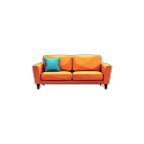
Introducing contrast can also elevate the aesthetic appeal of your living space. A glass coffee table with a wooden base can create a striking juxtaposition against a bold-colored couch, drawing the eye while balancing out the overall look.
- Key Characteristics: The play of textures—smooth glass paired with rustic wood or matte finishes against vivid upholstery—can serve to enrich your living area.
- Advantages and Disadvantages: While contrasting elements can create visual intrigue, it’s vital to maintain a sense of harmony. A mismatched table can easily divert attention, making the room feel chaotic, rather than inviting.
Closure and Final Thoughts
In this exploration of glass coffee tables, we find ourselves at the crossroads of functionality and flair. These tables not only serve as practical surfaces for our daily activities but also act as statement pieces that enhance the overall ambiance of a room. The fusion of style and utility found in glass coffee tables makes them a worthy investment for both homeowners and decorators looking to elevate their living space.
Summarizing Key Points
Reflecting upon the nuances we've discussed, several key points emerge:
- Versatility in Design: Glass coffee tables come in a variety of styles, fitting seamlessly into different aesthetics, whether it’s contemporary, minimalist, industrial, or rustic.
- Space Maximization: Their clear surface gives the illusion of expanded space, making them ideal for small living areas.
- Easy Maintenance: A simple routine of cleaning ensures these tables maintain their elegant appearance without excessive effort.
- Sustainable Choices: Eco-friendly options are increasingly available, allowing homeowners to be mindful of their environmental impact while still enjoying modern design.
These elements combine to make glass coffee tables a staple in stylish homes, a true testament to their enduring appeal.
The Future of Glass Coffee Table Design
Looking ahead, the realm of glass coffee tables is bound to evolve further. Trends indicate a growing preference for multifunctional designs that merge aesthetics with practicality. For instance, as living spaces shrink, we can expect to see innovative uses of materials that emphasize strength and resilience, minimizing the chance of breaks and scratches.
Moreover, technology may also infiltrate their designs; imagine coffee tables incorporating smart features like wireless charging or built-in speakers, enhancing both their functionality and user experience.
"The best design solutions often emerge from the collision of necessity and creativity."
In summary, the future of glass coffee tables is bright, filled with possibilities that cater to the unique needs of modern living, all while keeping true to the timeless beauty and elegance that glass offers. As design continues to shift, glass tables will likely remain a popular choice, thanks to their ability to adapt and inspire across generations.
For those interested in diving deeper into the world of glass furnishings, resources like Wikipedia or Britannica often feature insightful articles that enhance understanding of materials and design principles.