
The Accordion Mirror: A Unique Design Element


Intro
In the world of interior design, certain pieces can pull double duty, serving both aesthetic and functional roles. One such piece is the accordion mirror, a strikingly versatile element that's gaining traction in modern interiors. Combining innovative design with utility, accordion mirrors not only create the illusion of larger spaces but also add character to a room. Museums and contemporary homes alike have started to showcase these mirrors, bridging the gap between past craftsmanship and current trends. Through this exploration, we’ll delve into their historical context, myriad applications, and practical considerations. Understanding these aspects can help homeowners, designers, and enthusiasts appreciate and integrate accordion mirrors into their spaces more effectively.
Furniture Trends and Styles
Contemporary Furniture Trends
The advent of minimalist and functional design in contemporary furniture has opened the door for unique pieces that tell a story. An accordion mirror fits this narrative perfectly, providing an eye-catching visual element while maintaining a streamlined silhouette. Its versatility makes it adaptable to various styles, from industrial chic to Scandinavian minimalism. Furthermore, the interplay of light with the mirror’s surfaces can enhance any room’s ambiance.
- Sustainable Design: Many current trends emphasize sustainable materials and practices. Accordion mirrors made from reclaimed wood or recycled materials not only appeal to eco-conscious consumers but also add a rich narrative to their homes.
- Multifunctionality: Modern homeowners seek furniture that serves multiple purposes. Accordion mirrors can function as decoration, light reflectors, and even storage if designed with shelves or hooks integrated into their structure.
Classic Furniture Styles
In contrast to contemporary styles, classic furniture often embraces ornate design and historical significance. The accordion mirror has links to various classic aesthetics, particularly in mid-century modern design, where clean lines and innovative materials reigned supreme.
- Art Deco Influence: The glamour of the Art Deco era saw mirrors take center stage in design. Accordion mirrors reflect this heritage with their bold geometric shapes and polished finishes, capturing the essence of sophistication.
- Victorian Nuances: Some accordion mirrors have intricate detailing that harkens back to the Victorian period. These variants tend to be more ornamental, appealing to those who favor a more traditional or eclectic décor.
DIY Tips and Tricks
Upcycling Old Furniture
The accordion mirror's adaptability opens up exciting possibilities for those inclined towards DIY. An old mirror can be transformed with a fresh frame or repurposed materials, giving it new life. Here’s how:
- Frame Revamp: Consider painting an existing frame in a bold color to make it pop.
- Material Mixing: Pair materials like metal and wood for a contrasting effect, enhancing the mirror's visual interest.
Creative Furniture Arrangements
With accordion mirrors, the arrangement can dramatically alter the feel of a room. Here are a few ideas:
- Reflective Pairing: Position mirrors across from windows to maximize natural light, creating a sense of openness.
- Statement Wall: Group multiple accordion mirrors to form a unique statement wall, showcasing different shapes and sizes for depth.
"A well-placed mirror is not just an object for reflection; it's a gateway to visual expansion, allowing light to dance across the room."
By embracing the accordion mirror, we accept a piece that tops the list of trendy, classic, and versatile designs. Understanding its context, unique features, and potential applications is essential for leveraging its full impact on modern interiors. For more resources on interior design trends and crafting with mirrors, check out websites like Architectural Digest or Interior Design Magazine.
Preamble to Accordion Mirrors
The inclusion of accordion mirrors in modern interior design is not just a trend; it signifies a shift towards marrying functionality with aesthetic appeal. These mirrors serve as pieces of art, conversation starters, and practical items all rolled into one. As more homeowners and designers look to create spaces that are both beautiful and functional, understanding the essence of the accordion mirror becomes crucial.
Defining the Accordion Mirror
An accordion mirror is characterized by its distinctive folding design, which resembles the bellows of an accordion instrument. This unique construction allows the mirror to expand and contract, adapting to various spaces and aesthetic needs. This feature is particularly appealing in urban environments where square footage is often at a premium. Accordion mirrors offer an innovative solution for those seeking to amplify light and create a sense of depth within smaller rooms.
Key attributes of accordion mirrors include:
- Flexibility: They can be adjusted to suit the dimensions of a room, whether it’s a compact entryway or a sprawling living area.
- Visual Interest: The folding design adds an artistic touch that catches the eye and enhances the overall decor.
- Reflective Qualities: The reflective surface not only brightens a space but can also create illusions of larger, more open areas.
In essence, accordion mirrors encapsulate versatility. They are not merely a reflective surface but a thoughtful design element that can elevate the essence of a room.
Historical Context and Evolution
To appreciate the accordion mirror fully, one must take a step back in time. The evolution of mirrors dates back thousands of years, with early versions often made from polished stones or metals, gradually transitioning to glass, which became more accessible during the Renaissance.
As interior styles evolved through different eras, so too did the design of mirrors. The accordion mirror emerged later, primarily in the mid-20th century, serving as a response to modernist design principles that called for simplicity and functionality. Their introduction coincided with a shift in how spaces were utilized, particularly in urban apartments where maximizing square footage was of utmost importance.
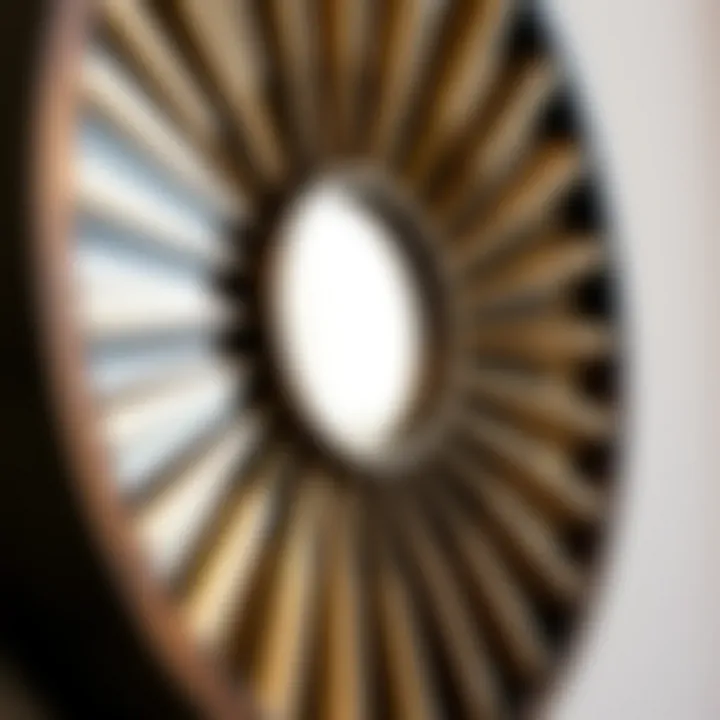
Today, accordion mirrors bridge the gap between contemporary and traditional design. They manage to respect architectural roots while also looking towards future innovations. This flexibility allows them to serve various purposes across a range of settings, from high-end boutiques to cozy homes.
"The accordion mirror stands as a testament to how design can evolve not only in form but in function, reflecting the changing dynamics of our living spaces."
Whether one is seeking to enhance a small space or create a focal point, the accordion mirror proves to be a sophisticated choice, blending functionality with artistic expression.
The Design Aesthetic of Accordion Mirrors
The design aesthetic of accordion mirrors represents a fascinating blend of form and function. These unique pieces are much more than just reflective surfaces; they serve as pivotal elements that can dramatically change the character and perception of a room. Integrating accordion mirrors into various .interior schemes can enhance both the visual appeal and the spatial dynamics within a space.
Integration with Modern Interior Design
When discussing the integration of accordion mirrors with modern interior design, one must recognize their versatility. These mirrors can fit seamlessly into contemporary, sleek environments or adapt to more traditional setups.
- Reflective Harmony: Their capacity to reflect light and visuals allows them to amplify natural lighting, making a space feel more open and inviting. In smaller or dimly lit rooms, the addition of an accordion mirror can create an illusion of depth and expansiveness.
- Sculptural Presence: Beyond their reflective abilities, accordion mirrors often feature distinctive designs that can serve as focal points. The folds and curves inherent in their construction provide a sculptural quality that makes them stand out.
- Material Versatility: Accordion mirrors can be constructed from various materials, including metal frames, wood, and contemporary finishes like acrylic or laminate. Each material brings its unique flavor, making the mirror complement different styles – be it rustic, industrial, or sleek urban chic.
Contrasting Styles: From Minimalism to Eclecticism
The beauty of accordion mirrors lies in their adaptability across contrasting styles.
- Minimalism: In a minimalist space, where simplicity reigns, accordion mirrors can enhance the ambiance without overpowering it. Their smooth lines and discreet layout allow for a clean and serene aesthetic, perfect for showcasing the principles of less is more.
- Eclecticism: On the flip side, in an eclectic space filled with varied textures, colors, and patterns, accordion mirrors hold their own. Their unique design elements serve to tie together disparate elements in a room. The way light bounces off such mirrors adds to the layered approach often seen in eclectic interiors.
"An accordion mirror can become the unexpected hero of a room, effortlessly bringing together diverse design elements into a cohesive narrative."
By considering both minimalism and eclecticism, one can choose an accordion mirror that enhances the intended style of a room, adding not only to the design but also to the story behind each gathered space.
As discussed, accordion mirrors are not merely aesthetic additions; they are transformative elements that can elevate the design aesthetic of a myriad of spaces, fostering a blend of functionality and artistry.
Practical Functionality of Accordion Mirrors
In the realm of interior design, functionality often plays a decisive role alongside aesthetic beauty. Accordion mirrors shine in this aspect, fulfilling multiple purposes beyond mere reflection. They are more than just decorative pieces; they are an intelligent solution for various spatial challenges and enhance the overall usability of a space.
Space-Saving Solutions in Small Areas
For urban dwellers, where every square foot counts, accordion mirrors present an ingenious solution. Their ability to fold and expand provides flexibility that can’t be matched by traditional mirrors. Here are a few impactful ways they serve in compact settings:
- Expandable Reflection: When fully opened, an accordion mirror can provide a wide field of view, almost like a window into an alternate space. This is particularly helpful in narrow hallways or small rooms where depth perception needs an extra boost.
- Dual Functionality: In a tiny apartment, one can use an accordion mirror to demarcate spaces. By placing one in a multifunctional area, it can serve as both a decorative wall piece and a corridor separator without taking up a permanent footprint.
- Creative Storage: Many accordion mirrors come with an additional feature—storage. Think of built-in shelves or compartments hidden within the folds. This makes them perfect for stashing away small items, allowing one to keep their spaces decluttered.
These mirrors prove quite advantageous especially in shared living arrangements, providing both privacy and versatility without sacrificing style.
Versatility in Room Separation and Light Reflection
Accordion mirrors hold a unique position in their ability to separate areas aesthetically while enhancing natural light flow. Their design allows them to blend seamlessly into various decor styles, making them suitable for different applications.
- Room Dividers: Accordion mirrors can act as dynamic room dividers, creating distinct zones without creating a physical barrier. This can be particularly useful in studio apartments where one might wish to separate living from sleeping areas. By simply folding or unfolding the mirror as needed, homeowners can dictate their space dynamically.
- Enhancing Natural Light: Mirrors are inherently known to amplify light. An accordion mirror, with its reflective surfaces, can help to bounce light around a room, making darker areas feel brighter. The strategic placement of these mirrors can transform a dim hallway into a welcoming corridor filled with light.
- Aesthetic Appeal: Accordion mirrors come in a variety of designs and finishes. Whether sleek and minimalist or more ornate, they can cater to distinctive design preferences while serving functional purposes.
"Versatility is the soul of modern space management; accordion mirrors encapsulate that perfectly, turning challenges into opportunities for creativity."
Materials and Craftsmanship
The construction of accordion mirrors is a dance between form and function, marrying the aesthetic appeal with robust usability. This section emphasizes the significance of materials and craftsmanship in creating these modern design elements. The durability of an accordion mirror heavily relies on the materials used, while craftsmanship determines the quality and overall visual appeal. Moreover, understanding these aspects gives designers and homeowners unique insights into selecting the right piece for their interior spaces.
Common Materials Used in Accordion Mirror Construction
Accordion mirrors can be crafted from a variety of materials, each bringing its own character and strengths to the design. The most common materials include:


- Glass: Mostly, the mirror surface itself is made of glass that is either polished or coated. Some designs opt for tempered glass for added safety and durability. The crystalline structure of glass provides remarkable clarity, enhancing the reflective aspect of the mirror.
- Metal: The frame of accordion mirrors may be constructed from metals such as aluminum or stainless steel. These metals not only offer stability but also contribute a sleek, modern feel to the piece. The choice of metal also allows for various finishes like brushed, polished, or painted, impacting the overall aesthetic.
- Wood: Certain designs incorporate wood, often for a more organic look. Wood frames can be finished in a range of stains, preserving the natural grain while introducing warmth to the environment. However, wood may need additional care to preserve its appearance over time.
- Plastic and Composite Materials: For a lightweight option, some accordion mirrors are fashioned from high-quality plastics or composite materials. These can be molded into various shapes, offering a more playful aspect to the mirror while remaining affordable and durable.
Understanding the properties of these materials, such as their weight, susceptibility to wear, and maintenance needs, is crucial when considering an accordion mirror for an interior setting.
Artisan Techniques: Handmade vs. Mass-Produced
The debate between handmade and mass-produced accordion mirrors is not just about craftsmanship but also about the essence and individuality each type brings to a space.
Handmade mirrors are typically created by skilled artisans who focus on the unique aspects of each piece. This results in:
- Attention to Detail: Handmade mirrors often exhibit finer craftsmanship with special attention given to minute details, thereby offering a unique character.
- Customization: Since these mirrors are often produced on a smaller scale, they can be customized according to personal preferences in size, shape, and finish. This can reflect the personality and style of the homeowner.
On the flip side, mass-produced mirrors generally provide:
- Uniformity and Affordability: These mirrors can be manufactured rapidly, resulting in lower prices and consistent quality. They are ideal for those working within budget constraints.
- Wide Availability: Major retailers can offer a variety of designs due to streamlined production processes, making it easier for consumers to find standard styles that fit their preferences.
"The choice between handmade or mass-produced often boils down to a balance between budget and the value placed on uniqueness and craftsmanship."
Both handmade and mass-produced accordion mirrors hold their charm. The decision between the two should factor in personal style, budget, and how much emphasis one places on artisanal quality versus practicality in acquisition. Exploring this terrain can unveil a deeper understanding and appreciation for these multifaceted design elements.
Maintenance and Care for Accordion Mirrors
The allure of accordion mirrors lies not just in their aesthetic charm but also in their potential to elevate an interior space. However, maintaining their pristine look is crucial to ensuring they continue to serve as both functional and stylish design elements in your home. Ongoing care is not merely a recommendation; it's essential to preserving the investment you've made in this unique piece.
Proper maintenance can prolong the lifespan of your accordion mirror, allowing it to continue shining bright over the years. This section aims to delve into two main aspects of care: the best cleaning techniques to ensure clarity and how to handle minor damages that might occur over time.
Cleaning Techniques to Preserve Clarity
Cleaning an accordion mirror isn't just about making it look good. It's about maintaining the integrity of the glass and ensuring that the reflective surfaces catch and bounce light effectively. Here’s a straightforward approach for anyone looking to keep their mirror spotless:
- Microfiber Cloths: Always use a soft microfiber cloth. This material is gentle enough to avoid scratches yet effective at lifting dust and impurities.
- Mild Cleaning Solutions: Spraying a solution of warm water and a few drops of dish soap can work wonders. Avoid harsh chemicals often found in glass cleaners, as they can damage the mirror’s coating.
- Circular Motion: When wiping, employ a gentle circular motion to distribute the cleaning solution evenly without streaks. Make sure to reach into crevices, especially if your mirror has distinct accordion folds.
- Drying: After cleaning, dry the mirror with a separate dry cloth to prevent water spots.
- Regular Maintenance: A quick wipe-down is advisable once a week to keep the dust at bay, preventing it from building up and necessitating deeper cleaning down the line.
To put it succinctly, keeping an accordion mirror clean enhances not just its clarity but also its ability to enhance a room's light and space perception.
"Cleaning mirrors shouldn't feel like a chore; with the right techniques, it can be as simple as a gentle swipe to restore brilliance."
Repairing Minor Damages and Wear
Over time and through the hustle and bustle of everyday living, even the sturdiest accordion mirrors can develop minor issues like scratches or chips. The good news is that many of these problems can be addressed without professional help. Here are practical steps you can take:
- Minor Scratches: For superficial scratches, consider using a glass repair kit or a special polishing compound made specifically for mirrors. Apply the compound with a soft cloth and follow up by buffing the area until it's smooth.
- Chipping Edges: If you notice a chip at the edges, a touch of clear nail polish can act as an emergency fix. Apply it carefully to prevent further chipping.
- Professional Repairs: For more severe damage, such as deep cracks, it’s wise to consult a professional. Attempting to repair significant issues could result in further damage.
- Preventative Measures: To avoid damage in the first place, ensure your mirror isn't placed in high-traffic areas where accidental bumps may occur. Using wall anchors or securing the mirror can provide further stability and safety.
As they say, an ounce of prevention is worth a pound of cure. Keeping your accordion mirror well-maintained can save you from costly repairs and ensure it continues to reflect both light and style in your space.
Cultural Significance of Mirrors in Interior Spaces
Mirrors, particularly accordion mirrors, carry multiple layers of meaning across cultures and time. Their role goes beyond mere reflection; they often embody historical beliefs, functional needs, and aesthetic aspirations. Understanding the cultural significance of mirrors can deepen the appreciation for designs like the accordion mirror, revealing how these pieces don't just serve a purpose in our physical spaces, but also resonate with our identities and histories.
Mirrors in Different Cultures and Their Symbolism
Throughout various cultures, mirrors have symbolized a plethora of concepts, from vanity to insight. Take, for example, the Japanese tradition where mirrors are not just reflective surfaces but are believed to hold the spirit of a person. In Shinto, mirrors are considered sacred objects, often found in shrines, where they symbolize purity and truth. Likewise, in Western cultures, mirrors can often signify self-reflection and personal growth, hinting at the idea that looking into a mirror isn’t just a mundane task but an opportunity for introspection.
- The Chinese culture holds that mirrors can ward off evil spirits. Feng Shui practices often incorporate mirrors strategically to enhance the flow of energy within a space, illustrating their importance in creating harmonious living environments.
- In Hinduism, mirrors are used in rituals to reflect the divine and are seen as portals between the physical and spiritual realms.
The accordion mirror, with its expanding form, embodies this idea of transformation and adaptability valued in many cultures. As life circumstances change, the accordion mirror can literally adjust to meet needs, much like our own lives.


The Psychological Impact of Mirrors in Living Environments
Delving into the psychological implications of mirrors, one finds that their presence in a space can have profound effects on mood and perception. Mirrors can enhance the feeling of openness in cramped quarters, creating an illusion of spaciousness. For those living in smaller areas, the accordion mirror becomes a vital tool. When not in use, it can be folded away, but when needed, it converts the space into something larger and more inviting.
Research suggests that people often react to mirrors unconsciously. Their reflection can evoke feelings of self-consciousness or self-appreciation, depending on the context. Specially placed mirrors can also enhance social interactions; a well-placed accordion mirror can encourage conversation by fostering a more connected atmosphere in social gatherings.
"Mirrors are not just reflections; they are a canvas for our self-perception and social experiences within our spaces."
In summary, the incorporation of mirrors in design transcends mere aesthetic value. It fosters a connection to cultural significance while allowing for psychological benefits. Designers and homeowners alike might find that understanding these elements can greatly enhance the functionality and resonance of mirrored pieces within their interiors.
For further reading on the cultural aspects of mirrors, you can explore these resources:
Thus, accordion mirrors stand not only as functional objects but also as rich symbols deeply rooted in cultural meanings and psychological dynamics.
Future Trends in Accordion Mirror Design
The discussion around accordion mirrors wouldn't be complete without focusing on the future trends that are shaping this unique design element. As we move further into an era that values sustainability and technology, accordion mirrors are not left behind. They play a crucial role in modern interiors and will continue to evolve in striking ways. Through the lens of upcoming trends, we can explore how these mirrors will blend function with ethics as well as innovation.
Sustainable Practices in Production
Sustainability is no longer just a buzzword; it has become a necessity in design. Accordion mirrors show promise for adopting eco-friendly practices in their production. Here are some key points to consider:
- Material Choices: Manufacturers are increasingly using recycled materials or sustainably sourced woods in constructing these mirrors. For instance, bamboo and reclaimed wood not only add character but also lessen environmental impact.
- Locally Sourced Components: By sourcing materials locally, companies can minimize transportation emissions. This trend can foster community engagement and support local craftsmanship.
- Eco-Friendly Finishes: Sustainable adhesives and non-toxic paints are gaining traction. These finishes are kinder to both the environment and the health of the occupants, aligning with a growing desire for healthier living spaces.
Adopting these sustainable practices in production is not just a trend but a vital step toward making a positive impact. Homeowners and designers alike are increasingly finding value in products that reflect their ecological concerns.
Technological Innovations: Smart Mirrors and Beyond
With the technological evolution, accordion mirrors are stepping up to the plate with innovations that change our relationship with this everyday object. Here's an overview of emerging technologies in the realm of mirrors:
- Smart Integration: Many modern designs are incorporating smart technology. Think about mirrors that can connect to your smartphone or smart home systems. They might display the weather, come with built-in lighting adjustments, and even offer reflecting surfaces that enhance functionality—tracking fitness activities, for instance, while you stand in front of them.
- Augmented Reality Features: Some designers are experimenting with augmented reality (AR) overlays on mirrors, presenting users the opportunity to visualize different looks or decor options right in their spaces.
- Energy Efficiency: Expect to see mirrors equipped with energy-efficient lighting solutions, including LED installations that mimic natural light while consuming less power. These features can significantly save on energy costs over time.
This fusion of technology and design in accordion mirrors not only elevates their utility but also meets contemporary demands for innovation in home spaces.
"Mirrors are no longer simple reflection tools; they are becoming integral parts of our digital and ecological narratives."
In our exploration of the future trends in accordion mirror design, it becomes clear that the nexus of style, technology, and sustainability is set to redefine these fascinating elements in modern interiors. As a designer or homeowner, keeping an eye on these trends can greatly enhance the aesthetic and functional qualities of your space.
Culmination: The Lasting Appeal of Accordion Mirrors
The significance of accordion mirrors in the realm of interior design cannot be understated. They provide much more than mere reflections; they serve as functional art pieces that enhance aesthetic and practical value in various spaces. As homes evolve into more fluid environments, the adaptability of accordion mirrors caters to this need. Whether it’s a compact apartment or a spacious loft, these mirrors transition seamlessly from being a decorative element to a necessary tool for spatial management and light enhancement.
Summarizing the Versatility and Impact
Accordion mirrors are characterized by their unique ability to blend practicality and style. They fit comfortably within a variety of design schemes, adapting to modern minimalism while also embracing more eclectic setups with ease.
- Space Limitations: These mirrors are especially valuable in smaller spaces, where every square inch counts. Their ability to fold or collapse allows homeowners to optimize their layouts, instantly reflecting light and creating the illusion of greater space.
- Design Harmony: Accordion mirrors can complement various materials and colors. For instance, when paired with warm wood tones or industrial metal finishes, they create dynamic contrasts that elevate the overall room design.
- Mood Enhancement: Reflective surfaces can dramatically alter the ambiance of a space. Placing an accordion mirror opposite a window not only invites more natural light but also enhances the room’s energy.
Reflecting on these points, it becomes clear that the accordion mirror's versatility and impact transcend its surface function, rooting itself as an essential element in modern interiors.
Encouraging Exploration in Personal Style
Exploring the world of accordion mirrors opens a gateway to personal expression in décor. Rather than simply following trends, homeowners and designers are encouraged to experiment with different styles and placements to find what resonates with their unique vision.
- Personal Touch: Consider how textures, colors, and shapes of accordion mirrors speak to your preferences. A bold, intricate design may serve as a conversation starter, while a more subdued version might blend quietly into the background.
- Mix and Match: Don't shy away from integrating multiple design elements. An accordion mirror can easily complement eclectic pieces or stand proud amidst a predominantly minimalist setting. The contrast can create an intriguing focal point.
- Inspiration from Nature: Look to organic forms or colors that mimic nature for additional inspiration. Mirrors that incorporate curves or earthy tones may enhance a tranquil or bohemian-themed interior.
Ultimately, the accordion mirror is more than just an object; it's a canvas for creativity and a reflection of personal style. Exploring this complexity allows individuals to engage deeply with their living spaces while appreciating the multitude of choices available in today’s design market.
The beauty of accordion mirrors lies not only in their function but in their potential to embody one's style and personality. As interior design continues to evolve, embracing such remarkable elements will undoubtedly lead to more personalized and dynamic environments.